

















Why does regular nut consumption correlate with a longer lifespan while peanut butter fails to show the same protective effects? Recent large-scale nutritional research suggests that what we eat has a more profound impact on global mortality than tobacco use. While smoking-related complications claim approximately 8 million lives annually, dietary imbalances are responsible for millions more, making nutrition the single most influential factor in human health and longevity.
The Critical Role of Nutrition in Global Health
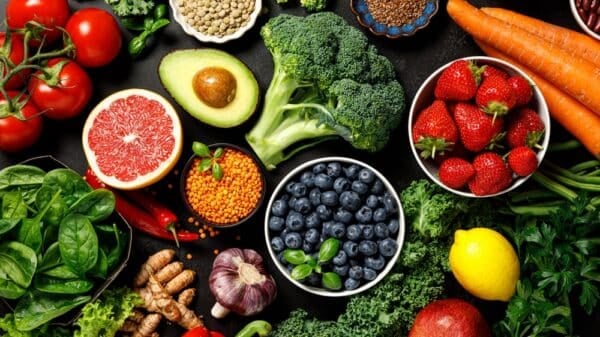
Extensive studies into human mortality have identified that a poor diet is the leading cause of premature death worldwide. When analyzing the specific components of our eating habits that contribute most to these statistics, the data reveals that it is often a lack of protective foods rather than just the presence of “junk” foods that drives the risk. Specifically, five primary dietary deficiencies and excesses have been identified as the most lethal: insufficient fruit intake, a lack of whole grains, low vegetable consumption, excessive sodium, and a notable deficiency in nuts and seeds.
How Whole Nuts Support Cardiovascular and Metabolic Wellness
The health benefits associated with nuts are well-documented through clinical intervention trials. These nutrient-dense foods have been shown to significantly enhance arterial function, which is critical given that cardiovascular diseases remain a leading cause of death globally. Beyond heart health, regular nut consumption is linked to improved blood sugar regulation, lower cholesterol levels, and reduced systemic inflammation. Furthermore, nuts help mitigate oxidative stress and provide essential fuel for beneficial gut bacteria.
The Peanut Butter Disconnect: Why Processing Matters
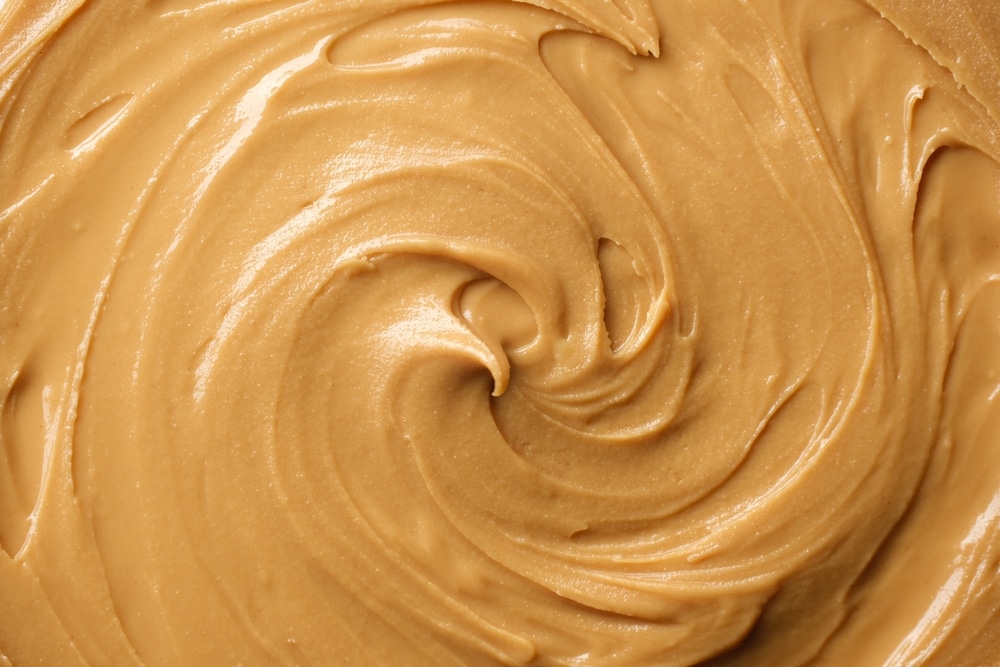
In the United States, roughly half of all peanut consumption occurs in the form of peanut butter. However, when researchers look at the data from massive prospective studies, such as the NIH-AARP study involving over half a million participants, a striking pattern emerges. While eating whole nuts is associated with a lower risk of death from cancer, heart disease, respiratory issues, and kidney disease, these benefits do not appear to extend to peanut butter.
This discrepancy persists even when researchers account for lifestyle variables. Peanut butter consumers often have different lifestyle profiles—statistically, they may smoke more or exercise less—but even after adjusting for these factors, as well as alcohol and vegetable intake, the longevity benefit remains absent for the spreadable version of the legume.
The Importance of Cellular Structure in Nut Consumption
One potential explanation for this “peanut butter paradox” involves the physical structure of the food. When we consume whole or chopped nuts, the intact cellular structure means that even after chewing, microscopic particles remain. These particles trap certain nutrients, carrying them further down the digestive tract where they serve as prebiotics for the microbiome. In contrast, the intensive grinding process used to create smooth nut butters breaks down these structures, potentially altering how the body processes the fats and fibers.
Additionally, commercial peanut butters frequently contain additives that whole nuts do not. These can include trans fats, emulsifying oils, refined sugars, and high levels of salt. While whole peanuts (technically legumes) offer benefits similar to tree nuts, the processing involved in making peanut butter appears to negate the specific advantages linked to a decreased risk of mortality.
Summary: Optimizing Your Nut Intake for Longevity
To maximize the health-protective benefits of this food group, evidence suggests consuming whole or chopped nuts at least three times per week. Choosing raw, unsalted varieties—particularly walnuts, which are highly regarded for their impact on arterial health—is the most effective strategy for supporting long-term wellness. Despite their high calorie density, evidence indicates that regular nut consumption does not typically lead to weight gain, making them a vital component of a longevity-focused diet. For the best results, prioritize the whole food over processed butters to ensure you are receiving the full spectrum of prebiotic and cardiovascular benefits.