




















Navigating the modern grocery store is often more difficult than it appears. While many products are prominently labeled as high-fiber, low-sugar, or gut-friendly, these claims can be misleading for individuals dealing with Irritable Bowel Syndrome (IBS) or specific food sensitivities. Many items marketed for wellness contain “functional” ingredients that, while generally healthy for the average person, act as significant triggers for those sensitive to fermentable carbohydrates, known as FODMAPs. The challenge lies in the fact that these ingredients are frequently found in protein bars, snacks, and health supplements designed to improve digestion, yet they often achieve the opposite effect for sensitive consumers.
Gaining clarity on which ingredients to avoid is a critical step in symptom management. While strict elimination diets have long been the gold standard, many individuals are finding additional relief through targeted enzyme strategies. These tools allow for greater dietary flexibility by helping the body process complex carbohydrates that would otherwise cause distress. However, even with these aids, it remains essential to identify hidden fermentable sugars that frequently hide behind health-conscious branding.
The Role of Chicory Root and Inulin in Digestive Distress
One of the most pervasive additives in the health food industry is chicory root extract, along with its concentrated form, inulin. These are favored by manufacturers because they boost fiber content and enhance the mouthfeel of processed foods like granola bars, yogurt, and meal replacement drinks. On a nutrition label, a product boasting a high fiber count looks appealing, but for those on a low-FODMAP diet, these ingredients are often the primary cause of discomfort.
Inulin belongs to the fructan group, a category of FODMAPs that the human small intestine cannot fully break down. Instead, these fibers travel to the large intestine, where gut bacteria ferment them. This process is particularly rapid with chicory-derived fibers, leading to symptoms like gas, bloating, and abdominal pain. Because inulin is a long-chain fructan, it can be especially aggressive in its fermentation. Even a small amount found in a “healthy” snack can be enough to trigger a localized inflammatory-like response or significant motility issues in sensitive individuals.
Identifying Other Problematic Functional Fibers
While inulin is a well-known culprit, several other added fibers can be equally disruptive. As the demand for fiber-fortified foods has grown, manufacturers have introduced a variety of “functional” fibers, each with different effects on the gut. Fructooligosaccharides (FOS) are short-chain fructans often found in supplements and dairy products that behave similarly to inulin. Another common additive is galactooligosaccharides (GOS), which are derived from lactose and fall under the galactan category of FODMAPs. Despite their benefits as prebiotics, they are notoriously difficult for people with IBS to tolerate.
Other additives like wheat dextrin or pea fiber may be better tolerated by some, but they still require caution. Even resistant starch, which is often viewed as a gentler fiber source, can vary in its impact depending on how the food was processed. The main takeaway for consumers is that the “Total Fiber” count on a nutrition label does not reveal the FODMAP content. To understand the potential impact on digestion, one must look specifically at the source of that fiber in the ingredient list.
Sugar Alcohols: Sweeteners That Can Cause Bloating
Sugar alcohols, or polyols, represent another major hurdle in the FODMAP landscape. These are popular in keto, diabetic-friendly, and low-calorie products because they provide sweetness without the blood sugar spikes associated with traditional sugar. While they are beneficial from a metabolic standpoint, their effect on the digestive tract can be problematic.
Common polyols include sorbitol, mannitol, xylitol, and maltitol. These compounds are poorly absorbed in the small intestine and have an osmotic effect, meaning they pull water into the gut. Once they reach the colon, they ferment and produce gas. Sorbitol is particularly tricky because it occurs naturally in many fruits—such as stone fruits and pears—but is also frequently added to sugar-free candies and protein supplements.
A common trap for consumers is the combination of multiple polyols or the pairing of a polyol with a fiber like inulin. For example, a low-carb ice cream might contain erythritol, which is generally well-tolerated in small amounts, but combine it with other sugar alcohols that increase the total “polyol load.” When reading labels, it is vital to look for the cumulative effect of these sweeteners rather than evaluating them in isolation.
The Misconception of ‘Natural’ and ‘Plant-Based’ Designations
Marketing terms like “organic,” “plant-based,” and “natural” are often used to imply that a product is gentle on the stomach. However, these labels refer to the sourcing of the ingredients, not their chemical structure or how they interact with the human digestive system. A “natural” fructan from organic chicory root is chemically identical to any other fructan and will cause the same fermentation issues in the gut.
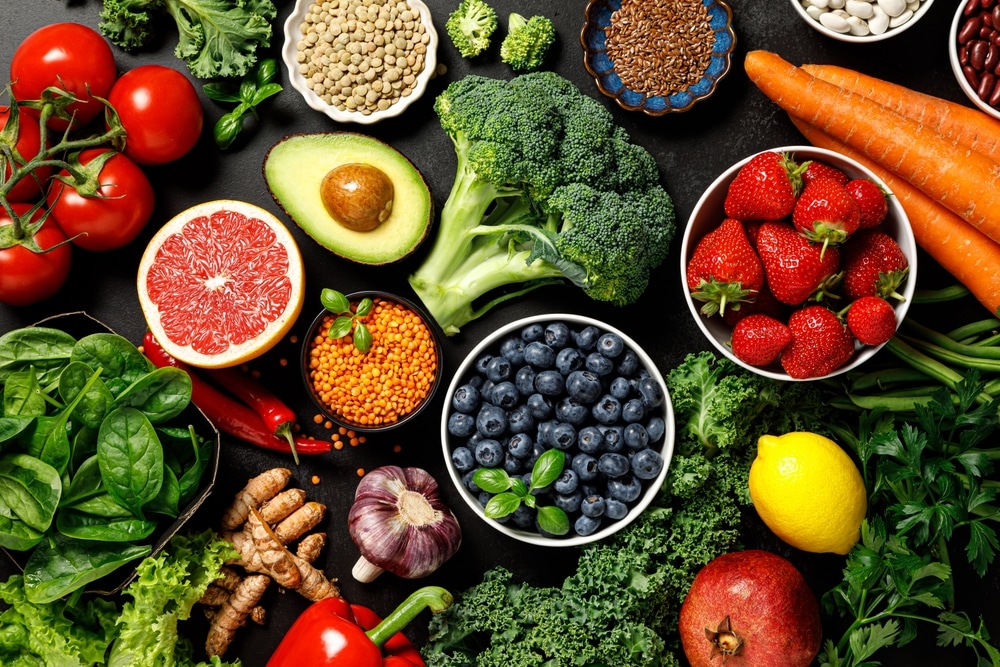
Plant-based proteins are a frequent source of confusion. Ingredients like chickpeas, lentils, and beans are staples of a healthy diet but are naturally high in GOS and fructans. Even when these ingredients are minimally processed, they retain their FODMAP load. Furthermore, the trend of using cauliflower as a substitute for flour or rice can lead to overconsumption; while a small serving of cauliflower may be low-FODMAP, the concentrated amounts found in pizza crusts or crackers often exceed the threshold for sensitivity.
Flavoring agents also play a role. Garlic and onion powders are some of the most potent FODMAP sources, yet they are used in trace amounts in almost all savory health snacks. Because they are so concentrated, even small quantities can contribute to “FODMAP stacking,” where the total amount of fermentable carbs consumed throughout the day leads to a symptom flare.
Using Enzymes to Better Manage Dietary Triggers
Elimination diets are essential for identifying triggers, but they are often difficult to maintain long-term, especially when eating in social settings or traveling. This has led to the rise of enzyme supplementation as a practical way to manage FODMAP intake. The logic behind this approach is to provide the body with the specific enzymes it lacks, allowing fermentable carbohydrates to be broken down in the small intestine before they reach the bacteria in the colon.
Different enzymes target different FODMAP groups. Alpha-galactosidase is effective for breaking down the galactans found in beans and certain vegetables. Lactase is the well-known solution for lactose intolerance, helping to split milk sugars. More recently, enzymes targeting fructans have become available, offering a new level of support for those who react to wheat, onions, garlic, and inulin. While enzymes are not a “cure” and do not work for every individual or every type of FODMAP, they can provide a much-needed safety net for those looking to expand their diet beyond highly restrictive boundaries.
A Practical Guide to Reading Labels for Gut Health
Mastering the art of label reading is the most effective way to avoid hidden triggers. When examining a product, focus specifically on the fiber and sweetener sections. For fibers, be on the lookout for terms like chicory root, inulin, agave inulin, FOS, and GOS. While acacia fiber and soluble corn fiber are often better tolerated, they should still be approached with caution until individual tolerance is established.
Regarding sweeteners, avoid or limit products containing sorbitol (E420), mannitol (E421), xylitol (E967), maltitol (E965), and isomalt (E953). Remember that ingredients are listed by weight; if a problematic fiber or polyol is near the top of the list, the concentration is high. However, because FODMAP sensitivity is dose-dependent, even an ingredient listed toward the end can cause issues if you consume multiple servings or eat other high-FODMAP foods throughout the same day.
Managing digestive health in a world of complex food processing requires both vigilance and education. By understanding the specific names of problematic additives and recognizing how marketing language can be misleading, those with FODMAP sensitivities can make more informed choices. Combining this label awareness with strategic enzyme use can lead to a more varied, enjoyable diet without the fear of digestive repercussions.
Summary: The Hidden Challenges of Healthy Eating
Maintaining a low-FODMAP diet is increasingly difficult as “functional” health foods become more popular. Ingredients like inulin and various sugar alcohols are added to products to improve their nutritional profile on paper, yet they often act as significant triggers for those with digestive sensitivities. By learning to identify these hidden additives and understanding the role of supplemental enzymes, individuals can better navigate the food supply, reduce their symptoms, and find a balance between nutritional goals and digestive comfort.