


















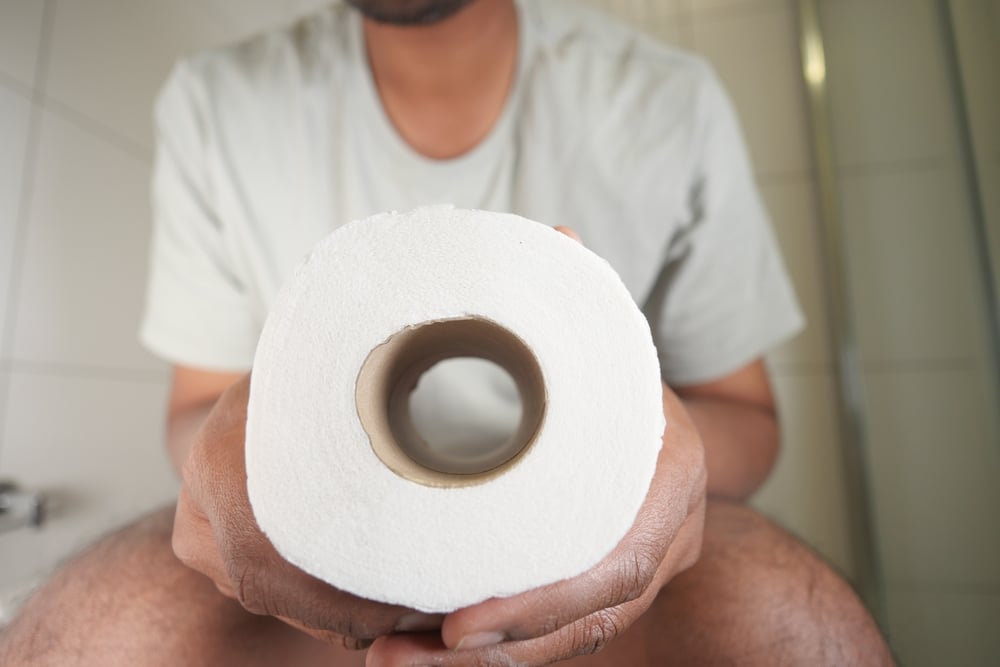
While Western culture has long embraced the seated toilet, much of the global population in Africa and Asia continues to use the traditional squatting position. The difference between these two methods is more than just cultural; it fundamentally changes the mechanics of the human body. When sitting upright on a standard toilet, the rectum remains at an “anorectal angle” of approximately 90 degrees. This bend acts as a physical barrier that helps maintain continence, but it can also make the process of elimination more difficult by creating a “kink” in the digestive tract.
Does the Squatty Potty Improve Bowel Movements?
In recent years, devices designed to mimic the squatting position while using a standard toilet have gained popularity. While early research into low-profile footstools—those only about four inches high—showed little to no improvement in bowel movement speed or ease, taller devices have yielded different results. When researchers tested an eight-inch “defecation posture modification device,” participants reported significant benefits. These included a greater sense of bowel emptiness, a reduction in physical straining, and a decrease in the time spent on the toilet by roughly one minute. However, some users found the elevated leg position to be physically uncomfortable, leading a few to discontinue use during clinical trials.
Evaluating “The Thinker” Position as an Alternative
If you don’t have a specialized footstool, there may be another way to optimize your posture. By leaning forward while seated, one can adopt a pose similar to Rodin’s famous sculpture, “The Thinker.” Researchers at the Cleveland Clinic utilized cinedefecography—a type of imaging that captures the mechanics of defecation—to measure how this posture affects the body. They discovered that leaning forward can open the anorectal angle to more than 130 degrees. This is a wider and more direct path than simply raising the feet while sitting upright, suggesting that “The Thinker” position might be one of the most efficient ways to assist with bowel movements and potentially alleviate constipation.
The Hidden Health Risks of Straining
The mechanics of bathroom posture are not just about convenience; they are also a matter of safety. Straining during a bowel movement causes a significant spike in blood pressure within the heart and brain. For vulnerable individuals, this exertion can be dangerous and has been linked to sudden cardiac events or strokes. This risk is particularly high for patients confined to bed who must use a bedpan, as the flat-on-the-back position is arguably the most difficult for elimination. Ensuring that patients can at least sit upright can help reduce the cardiovascular strain associated with bathroom activities.
The Essential Role of Fiber and Diet Design
While the debate between sitting and squatting continues, it is important to consider the role of nutrition. Many populations that squat also consume traditional diets rich in unrefined, high-fiber foods. These diets naturally produce larger, softer stools that are easier to pass. When a diet is sufficient in fiber, the mechanical advantage of squatting becomes less necessary because the body doesn’t need to strain to begin with. Ultimately, improving the “design” of what we eat may be just as effective as changing the design of our bathroom fixtures, allowing for effortless digestion regardless of the seat we use.
Summary of Key Takeaways
Research suggests that the traditional Western sitting position creates a physical “kink” in the rectum that can hinder easy elimination. While tall footstools like the Squatty Potty can help by straightening this angle and reducing straining, leaning forward into “The Thinker” position may offer an even more effective mechanical advantage. However, posture is only one piece of the puzzle. Maintaining a diet high in natural, unrefined fiber remains the most effective way to ensure regular, effortless bowel movements and reduce the health risks associated with straining.