

















While many people attribute circulatory issues like varicose or spider veins primarily to genetics, aging, or physical activity levels, the role of daily nutrition is an increasingly significant factor in vascular health. Scientific insights suggest that dietary choices have a profound impact on the circulatory system, providing the necessary nutrients for vessel structure, flexibility, and overall function. From regulating inflammation to supporting tissue repair and fluid balance, nutrition serves as a foundation for healthy blood flow.
While a healthy diet may not be a standalone cure for advanced vein conditions, it significantly enhances the performance of the vascular system. By combining smart dietary habits with active lifestyles and professional medical guidance, individuals can noticeably improve their circulatory health and quality of life.
The Mechanics of Venous Circulation
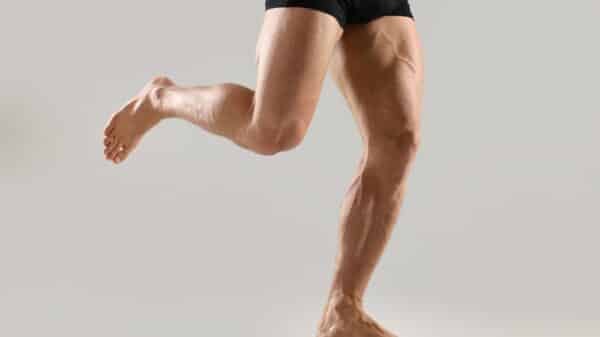
Understanding the importance of nutrition begins with understanding how veins operate. Veins are responsible for transporting deoxygenated blood back to the heart. In the legs, this process is particularly demanding as blood must travel upward against gravity. To facilitate this, veins are equipped with one-way valves that prevent blood from flowing backward.
Circulation is further supported by the contraction of leg muscles, which acts as a pump. However, when vein walls weaken or valves become damaged, blood can pool in the extremities, leading to varicose veins and other circulatory complications. While age and heredity play their parts, a nutrient-dense diet supports the structural integrity of these vessels and helps manage the internal pressure and metabolism that can otherwise stress the vascular system.
Understanding the Impact of Inflammation on Vascular Integrity
Medical research has placed a heavy focus on the dangers of chronic inflammation. While acute inflammation is a natural part of the healing process, persistent, low-grade inflammation can damage the delicate lining of the blood vessels. This damage can alter the structural composition of the veins, worsening existing circulation issues.
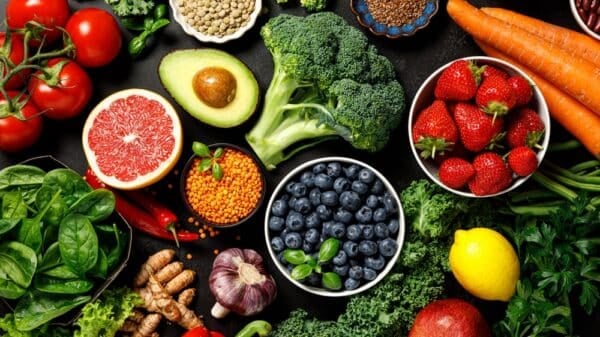
Diet is a primary driver of systemic inflammation. Modern diets high in refined sugars, heavily processed foods, and unhealthy fats are known to trigger inflammatory responses. Conversely, a diet rich in unprocessed whole foods, such as fruits, vegetables, nuts, and seeds, can help moderate inflammation and promote a healthier environment for the circulatory system to thrive.
Vitamin C: A Key Building Block for Resilient Veins
Vitamin C is essential for vascular health because it is a critical precursor to collagen production. Collagen is a structural protein that provides strength and elasticity to connective tissues, including the walls of the blood vessels. When vitamin C levels are consistently low, the structural integrity of these vessels may be compromised.
By consuming foods rich in vitamin C, individuals support the body’s ability to maintain and repair its vascular forms. Because vein walls rely on this elasticity to handle blood pressure and volume, ensuring adequate intake is a fundamental step in proactive vein care.
The Indirect Benefits of Dietary Fiber for Your Veins
Fiber is most commonly associated with digestive health, yet its benefits extend indirectly to the circulatory system. High-fiber diets aid in weight management and cholesterol regulation, both of which are vital for reducing the workload on the heart and veins.
Furthermore, fiber helps prevent constipation. This is relevant to vein health because the straining associated with constipation can increase intra-abdominal pressure, which in turn puts additional stress on the veins in the legs. Incorporating whole grains, legumes, and fresh produce into the diet can help mitigate these risks.
Maintaining Optimal Blood Flow Through Hydration
Adequate hydration is a cornerstone of healthy circulation. Water is essential for maintaining proper blood volume and viscosity. When the body is dehydrated, the blood can become more concentrated, potentially making it more difficult for the circulatory system to move blood efficiently through the veins.
While dehydration is not a direct cause of vein disease, consistent fluid intake supports the body’s natural processes. Staying well-hydrated can help alleviate the feelings of heaviness or sluggishness often associated with poor circulation, making it one of the simplest and most effective habits for vascular wellness.
Weight Control as a Strategy for Reducing Venous Strain
Body weight significantly influences the amount of pressure placed on the circulatory system, particularly the veins in the lower body. Excess weight increases the resistance blood faces as it travels back toward the heart, leading to increased strain on the venous valves and walls over time.
Nutritional choices are central to effective weight management. Prioritizing whole, nutrient-dense foods over high-calorie processed items helps alleviate the physical load on the venous system. By reducing this pressure, individuals can improve their overall circulation and lower the risk of developing symptomatic vein issues.
Nutrient-Dense Foods to Promote Circulatory Wellness
Focusing on a diet of minimally processed foods can lead to significant improvements in vascular health. Key dietary components include:
- Antioxidants: Found in colorful fruits and vegetables, these help protect blood vessels from oxidative stress.
- Healthy Fats: Omega-3 fatty acids and monounsaturated fats found in avocados, olive oil, and fatty fish support heart health and vessel function.
- Whole Grains: These provide the fiber and essential nutrients required for steady energy and healthy circulation.
- Lean Proteins: These assist in the ongoing maintenance and repair of body tissues.
Rather than focusing on a single “superfood,” the most benefit is derived from a balanced, varied diet that supports the body as a whole.
Identifying When Professional Medical Care Is Required
While healthy lifestyle choices are foundational, they may not be enough to reverse established vein disease. Factors such as hormonal shifts, occupational requirements (like prolonged standing), and genetics can lead to issues that require clinical intervention.
Symptoms such as persistent leg swelling, a constant feeling of heaviness, visible varicose veins, or changes in skin texture should be evaluated by a healthcare professional. Specialists can provide comprehensive assessments and personalized treatment plans that go beyond what diet alone can achieve.
A Comprehensive Strategy for Long-Term Vascular Health
Optimal vein health is the result of a multi-faceted approach. Proper nutrition provides the chemical building blocks for healthy tissues, while regular physical activity strengthens the muscles that assist in blood transport. Hydration and weight management further reduce the mechanical stress on the system.
When these healthy habits are paired with timely medical evaluations, individuals create a robust framework for long-term vascular wellness. Combining preventive lifestyle choices with professional care ensures the best possible outcomes for circulatory health.
Takeaway: Supporting Vein Health from Within
The connection between nutrition and the health of our veins is powerful and scientifically grounded. The foods we choose to eat play a vital role in building resilient blood vessels and managing the inflammation that can lead to vascular decay. While diet cannot eliminate every risk factor, it remains one of the most accessible and effective tools for supporting the circulatory system. By nourishing the body with the right nutrients, staying active, and seeking medical expertise when necessary, you can protect your vascular health for years to come.