




















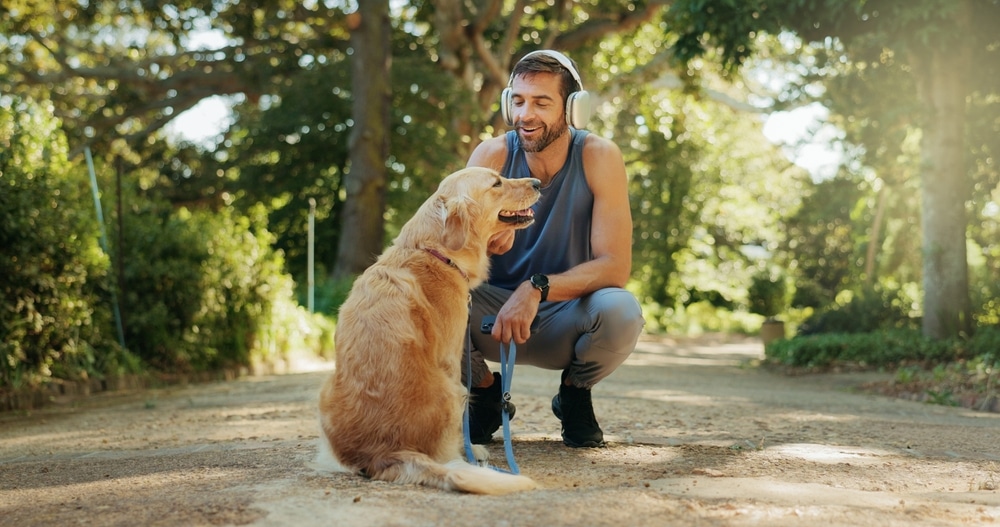
While many dog owners view daily walks as a standard part of pet care, transitioning from a casual stroll to a structured fitness routine can unlock a new level of vitality for both human and animal. Engaging in activities like running, jogging, or outdoor circuit training transcends simple calorie burning; it fosters a holistic sense of wellness that impacts physical stamina, mental clarity, and the unique emotional connection shared with a canine companion.
The Motivational Power of a Canine Fitness Partner
One of the primary obstacles to maintaining a consistent exercise regimen is the fluctuation of human motivation. It is easy to skip a workout due to a busy schedule or unappealing weather. However, dogs are creatures of habit who thrive on predictable physical activity. Their natural enthusiasm for the outdoors acts as a living “accountability partner,” encouraging owners to stick to their fitness commitments regardless of their initial energy levels.
Unlike human workout partners who may cancel or lose interest, a dog is perpetually ready for activity. This unwavering reliability helps pet owners establish disciplined habits, turning exercise from a chore into a shared highlight of the day. Furthermore, breeds with high energy requirements find a constructive outlet in these workouts, which can significantly improve their behavior and contentment at home.
Synergistic Physical Health Benefits
Participating in aerobic exercise with a dog provides a comprehensive cardiovascular workout. For the owner, regular running or brisk movement enhances heart health, builds lean muscle mass, and increases overall stamina. It also plays a vital role in weight management and lowering the risk of chronic, lifestyle-related conditions.
The physiological advantages for the dog are equally profound. Regular, vigorous activity helps prevent canine obesity—a common health issue that can lead to joint strain and metabolic problems. By maintaining an active lifestyle, dogs are more likely to retain mobility into their senior years, ensuring a higher quality of life and potentially longer lifespan.
Enhancing Mental Health and Reducing Anxiety
Physical exertion is a well-known catalyst for the release of endorphins, the body’s natural mood elevators. When this biological process is combined with the companionship of a dog, the stress-reducing effects are amplified. Spending time in nature with a pet can lower cortisol levels, alleviate symptoms of anxiety, and provide a sense of purpose and calm.
The benefits extend to the dog’s psychological state as well. A lack of physical and mental stimulation often leads to boredom-induced behaviors, such as chewing or excessive barking. High-energy activities provide the sensory engagement dogs need to remain mentally sharp and emotionally balanced, leading to a more relaxed demeanor indoors.
Building a Stronger Human-Canine Bond
Shared activities are the foundation of a strong relationship. Running or training together requires a level of synchronization and non-verbal communication that deepens the bond between owner and pet. As the dog learns to mirror the owner’s pace and respond to subtle cues, a sense of teamwork and mutual trust is established.
This partnership goes beyond simple obedience; it creates a shared language of movement. Over time, the owner becomes more intuitive regarding their dog’s physical limits and emotional needs, fostering a deeper level of empathy and companionship that enriches the overall pet-ownership experience.
Safety Protocols for Active Dogs
Before embarking on a high-intensity fitness journey, it is essential to ensure that the activity is appropriate for the dog’s specific needs. Factors such as breed, age, and existing health conditions play a significant role in determining what type of exercise is safe. For example, puppies whose joints are still developing and senior dogs with arthritis require modified routines.
To ensure a safe and productive experience, consider the following best practices:
- Incremental Progression: Gradually increase duration and intensity to prevent injuries and allow for cardiovascular adaptation.
- Hydration Awareness: Always carry water for both yourself and your pet, and be mindful of signs of thirst or panting.
- Surface Selection: Whenever possible, opt for soft trails, dirt paths, or grass, as hard asphalt can be taxing on a dog’s joints and may burn their paw pads in high temperatures.
- Vigilant Monitoring: Watch for signs of overexertion, such as lagging behind, heavy panting, or limping. If the dog shows signs of distress, stop the activity immediately.
- Appropriate Gear: Utilize a well-fitted harness and a sturdy lead to ensure control and comfort throughout the workout.
A Holistic Path Toward Shared Longevity
Integrating your dog into your exercise routine offers a multitude of rewards that far exceed basic physical fitness. By viewing your pet as a dedicated training partner, you create a sustainable path toward better heart health, improved mental wellbeing, and a more profound emotional connection. Ultimately, these shared experiences transform a standard workout into a meaningful journey toward a healthier, more active life for both you and your loyal companion.