
















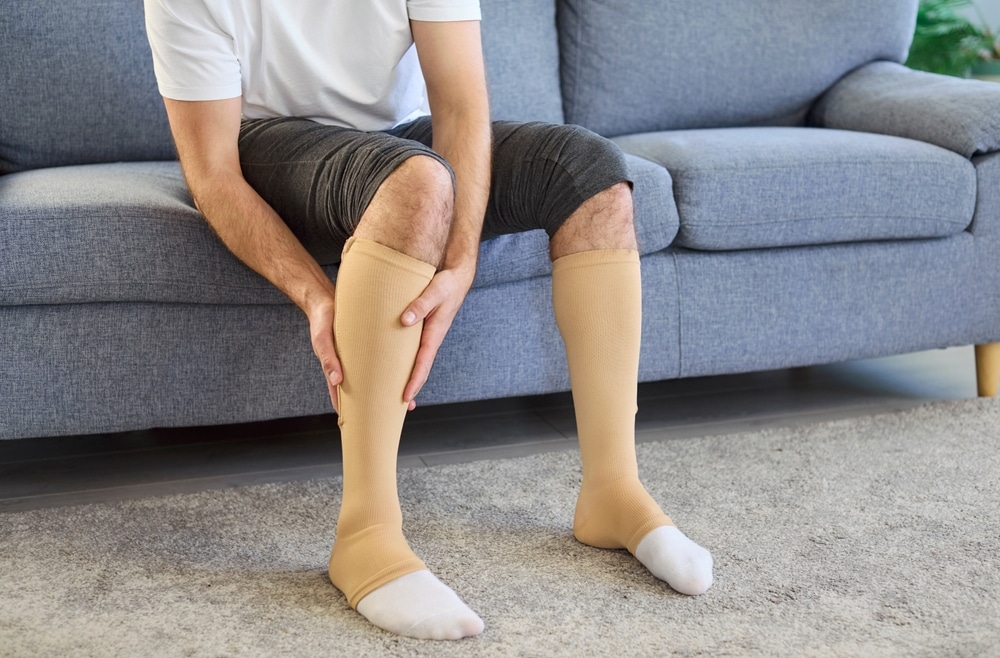
While many people prioritize heart health, nutrition, and mental wellness, the health of the legs is often a secondary thought. However, our lower limbs are the workhorses of the body, playing a central role in maintaining systemic circulation. Too often, people ignore signals like fatigue, swelling, or persistent discomfort until these issues begin to significantly restrict their daily lives. Leg health is about much more than aesthetics; it is a fundamental pillar of cardiovascular stability, mobility, and overall vitality. When circulation in the legs is compromised, it can have a ripple effect on the entire body, impacting everything from energy levels to long-term independence.
The Link Between Leg Vitality and Functional Independence
Physical movement is a cornerstone of a healthy lifestyle. Whether it is walking to work, enjoying a hobby, or traveling, healthy legs make these activities possible. When leg health declines, it often leads to a sedentary lifestyle, which can trigger a downward spiral of decreasing fitness and worsening symptoms. Even minor issues like heaviness or aching can discourage the physical activity necessary for a healthy heart and mind. Maintaining leg strength and function is essential for preserving the ability to remain active and independent as the years pass.
The Critical Role of Legs in Systemic Circulation
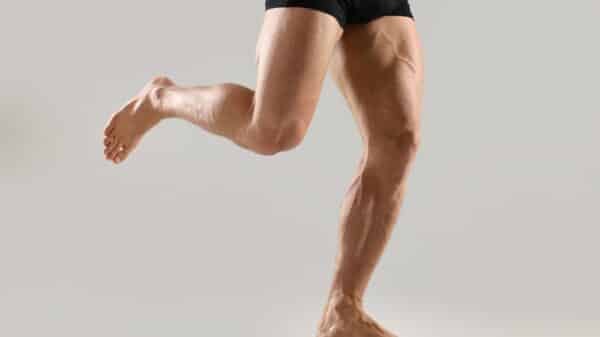
The legs are a vital component of the circulatory system. Veins in the lower body must work against the force of gravity to return blood to the heart. This process is aided by the calf muscles, which act as a pump every time we move. When this system is efficient, it ensures that oxygen and nutrients are delivered to cells while metabolic waste is effectively removed. If circulation is impaired, blood can pool in the lower limbs, leading to increased pressure and potential vascular complications such as swelling, cramping, or skin changes. Addressing these issues early is vital for protecting total body wellness.
Connecting Vascular Integrity to Overall Well-being
It is a common misconception that vein issues, such as varicose veins, are purely aesthetic. In reality, venous disease is a medical condition that can impact the entire body. Weakened valves can lead to the chronic pooling of blood, which may interfere with sleep quality, limit physical activity, and even affect mental health due to constant discomfort. If left unaddressed, these conditions can progress into more complex health challenges. Viewing vein care as a form of preventive medicine is an essential step in a comprehensive healthcare strategy.
The Influence of Daily Habits on Lower Limb Function
Modern environments often contribute to vascular stress. Prolonged sitting or standing, coupled with a lack of regular movement, can hinder efficient blood flow. Additionally, maintaining a healthy weight is crucial, as excess body mass increases the mechanical pressure on the venous system. Simple adjustments, such as staying hydrated and incorporating brief movement breaks into the day, can significantly improve leg function and metabolic health. These small changes not only benefit the legs but also promote cardiovascular longevity.
Active Strategies for Strengthening the Venous System
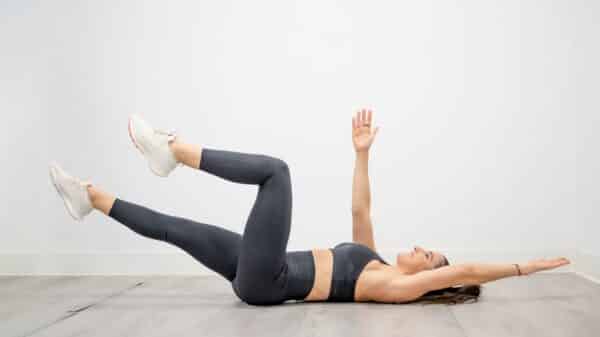
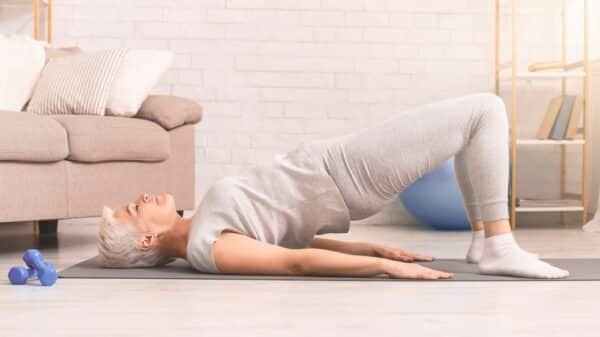
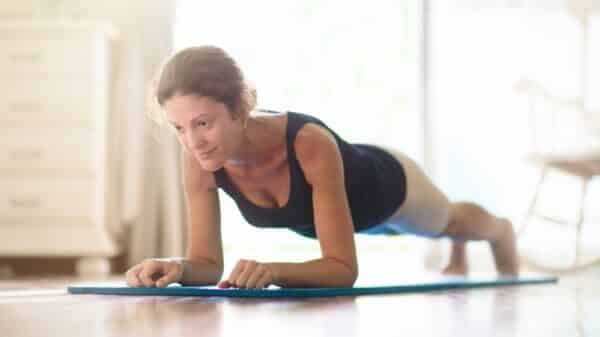
Regular physical activity is one of the most effective ways to support the circulatory system. Low-impact exercises like swimming, cycling, and yoga are particularly beneficial because they stimulate blood flow without putting excessive strain on the joints. Strengthening the muscles surrounding the veins helps the body move blood more efficiently, reducing inflammation and improving overall mood. By focusing on circulation through exercise and weight management, individuals can enhance their physical comfort and mental resilience.
Spotting Early Indicators of Circulatory Challenges
Because vascular issues often develop gradually, many people mistake early symptoms for standard signs of aging or simple fatigue. Feelings of heaviness, night cramps, itching, or minor swelling are often the first indicators that the circulatory system needs attention. Recognizing these signs early allows for simpler interventions and prevents more serious complications from developing later. Consulting a professional for an evaluation can help determine the underlying cause of these symptoms and guide an appropriate course of action.
Addressing the Mental and Social Aspects of Leg Wellness
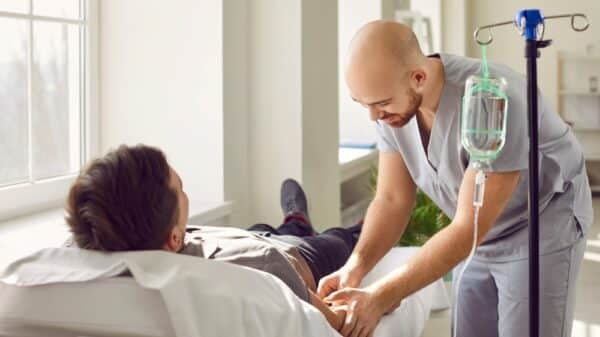
The state of our legs also influences our psychological well-being. Visible vascular changes can lead to self-consciousness, causing individuals to avoid social situations or specific types of clothing. Chronic leg pain can also increase stress levels and diminish the overall quality of life. Fortunately, medical advancements have made it easier to address these concerns with minimally invasive procedures that require very little downtime. Utilizing modern diagnostic technology allows specialists to identify circulatory issues with precision, providing personalized care that restores both physical function and emotional confidence.
Prioritizing Prevention for Lasting Vascular Vitality
A proactive approach is the most effective way to ensure long-term leg health. While genetics and age play a role, many vascular issues can be managed through lifestyle choices. Elevating the feet, staying active, and monitoring for early changes can help maintain vascular integrity. Regular check-ups are also beneficial for those with a family history of vein issues, ensuring that any problems are caught before they escalate. Consistent preventive care supports not just the legs, but the health of the entire body for years to come.
Conclusion
Total wellness is only possible when we consider the health of our legs alongside heart health and nutrition. By viewing leg health as a vital component of a long-term wellness strategy, we can maintain the mobility and circulation necessary for a high quality of life. Prioritizing movement, seeking timely medical advice, and embracing preventive habits allows for a more active, independent, and fulfilling future. Investing in the health of your legs today is an investment in your overall well-being for a lifetime.