







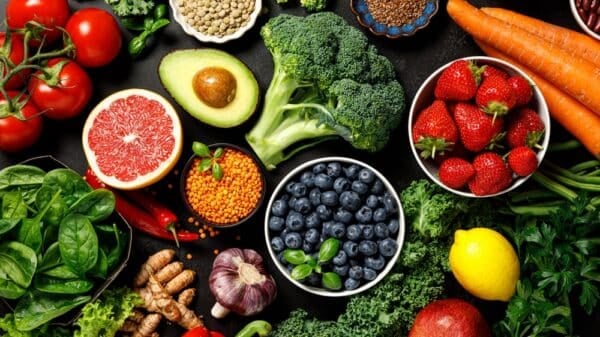













Human health is deeply interconnected with the trillions of beneficial bacteria residing in the digestive tract. This symbiotic relationship, which has developed over millions of years, relies on a simple exchange: we provide the raw materials, and our microbes produce compounds that protect our health. However, modern dietary habits are failing to uphold this biological agreement.
The Evolution of Prebiotics in Nutritional Science
The study of the gut microbiome has become a cornerstone of modern nutrition. Among the most influential research in the field is the work that introduced the concept of prebiotics. These substances are non-digestible food components, such as fiber and resistant starch, that act as specialized fuel for our internal microbial garden. By prioritizing high-fiber plant foods, we provide the necessary foundation for a thriving, prebiotic-rich internal environment.
How Fiber Regulates Systemic Inflammation
For decades, dietary fiber was viewed narrowly as a tool for digestive regularity and stool bulking. Modern science has shifted this perspective, revealing that fiber is a biological trigger for complex physiological processes. Our bodies contain a variety of receptors designed to interact specifically with the byproducts of fiber digestion. When beneficial gut bacteria ferment fiber, they produce short-chain fatty acids. These molecules enter the bloodstream and bind to receptors on immune cells, functioning like a “lock and key” to exert a direct anti-inflammatory effect throughout the body.
Microbial Production of Protective Molecules
The reduced inflammation observed in those following plant-based diets is not only due to the anti-inflammatory compounds found in the plants themselves. It is also the result of the gut microbiome creating new protective molecules from scratch. When we provide our microbes with adequate fiber, they reward us with a defense system that the human body cannot produce on its own. This protective effect is so potent that research on patients undergoing radiation therapy showed that increased fiber intake significantly reduced treatment toxicity, with benefits persisting for an entire year.
Closing the Fiber Intake Gap for Longevity
Extensive research spanning more than a century confirms that fiber is a critical factor in longevity and disease prevention. Consistent data shows that high fiber intake is associated with a dramatic reduction in all-cause mortality. This includes lower rates of cardiovascular disease, stroke, type 2 diabetes, and several types of cancer, such as colorectal, breast, and esophageal cancers.
To capture these benefits, health guidelines suggest a minimum intake of 25 to 29 grams of fiber per day, though evidence suggests that even higher amounts offer additional protection. Despite these clear benefits, the average modern diet is severely lacking, with many individuals consuming only about 16 grams of fiber daily.
Restoring Our Evolutionary Biological Bargain
Throughout human history, our physiology co-evolved with gut bacteria that expected a high-fiber environment. Ancestral diets likely provided upwards of 100 grams of fiber every day, supporting a robust production of vitamins and essential fatty acids. To remedy the modern fiber deficiency and support our symbiotic partners, the most effective solution is a shift toward a plant-centered diet rich in whole, fiber-dense foods.
Summary of Key Takeaways
The health of the human microbiome is a vital component of overall wellness and disease prevention. By understanding that fiber is more than just a digestive aid, we can see it as an essential precursor to anti-inflammatory short-chain fatty acids. To bridge the gap between our current intake and our evolutionary needs, prioritizing prebiotic-rich plant foods is the most effective way to nourish our gut bacteria and protect our long-term health.