




















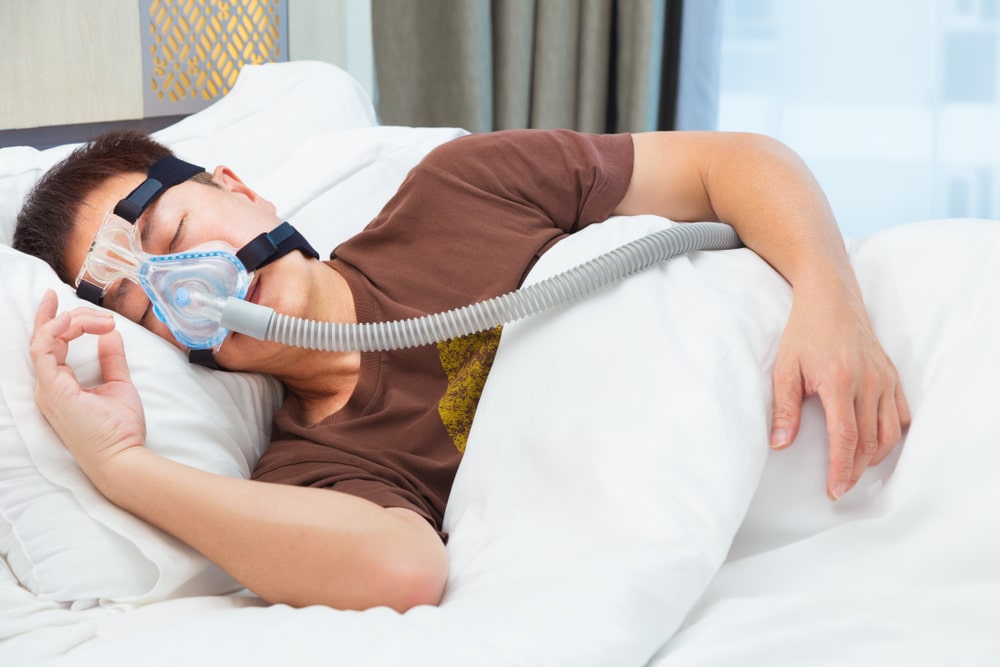
For those diagnosed with obstructive sleep apnea, Continuous Positive Airway Pressure (CPAP) therapy is frequently the primary clinical recommendation. While this method is highly effective for a vast number of patients, it is not without its hurdles. Many users report difficulties ranging from mask-induced claustrophobia and air leaks to noise disruptions and skin irritation. When these challenges interfere with daily use, the journey toward restorative sleep can feel stalled, leading to frustration and untreated symptoms.
Modern sleep medicine is rapidly evolving to address these barriers. New therapeutic avenues and technological breakthroughs are providing patients with diverse ways to manage their condition while prioritizing personal comfort. Understanding the current landscape of sleep apnea care is the first step for anyone looking to optimize their rest and long-term health.
Explore these ten essential insights into contemporary sleep apnea management and the shift toward more flexible treatment alternatives.
Defining Obstructive Sleep Apnea and Its Impact
Sleep apnea is a common but serious respiratory disorder characterized by repeated pauses in breathing during the night. These interruptions occur when the airway becomes partially or fully blocked, preventing oxygen from reaching the lungs. Because these events can happen dozens of times per hour, they prevent the body from entering deep, restorative sleep stages.
Many people live with the condition for years without a formal diagnosis. Common red flags include persistent heavy snoring, gasping for air during the night, and a chronic sense of exhaustion despite spending enough hours in bed.
The Role of CPAP as a Primary Treatment Method
CPAP machines function by providing a continuous stream of pressurized air through a tube and mask interface. This “pneumatic splint” keeps the upper airway from collapsing, ensuring unobstructed breathing throughout the sleep cycle. Due to its high success rate in clinical settings, it remains a cornerstone of sleep medicine.
When used correctly and consistently, CPAP therapy can significantly reduce the long-term health risks associated with apnea, such as cardiovascular strain, while dramatically improving daytime alertness.
Common Obstacles to CPAP Compliance and Comfort
Despite its efficacy, CPAP therapy has a significant “compliance” challenge. Some patients find the sensation of forced air difficult to tolerate, while others struggle with the physical bulk of the mask. Issues like dry nasal passages, rainout (condensation in the tube), and the restrictive nature of the equipment can make it hard to fall or stay asleep.
Because the benefits of the treatment only exist when the device is used, these comfort issues are more than just minor annoyances—they are direct barriers to successful health management.
The Shift Toward Innovative Sleep Apnea Solutions
As the public becomes more educated about the importance of sleep hygiene, there is a rising demand for medical interventions that go beyond the traditional CPAP model. Patients are increasingly looking for “user-friendly” options that better align with their active lifestyles and travel needs.
This market shift has spurred a wave of innovation, leading to the development of smaller, quieter, and more integrated medical devices designed to fit seamlessly into a patient’s nightly routine.
Why Customized Treatment Plans Are Essential
Sleep apnea is not a “one-size-fits-all” condition. The severity of the obstruction, the patient’s unique physical anatomy, and even their preferred sleeping position play a role in which treatment will be most effective. What works for a patient with mild apnea may not be sufficient for someone with a more severe case.
By moving toward personalized care, healthcare providers can help patients choose the specific mask style, pressure settings, or alternative therapies that offer the best balance of clinical effectiveness and personal ease.
The Importance of Diagnostic Sleep Assessments
A successful treatment plan always begins with an accurate diagnostic foundation. Sleep studies, whether performed in a dedicated clinical lab or through modern home-based testing kits, collect vital data on heart rate, oxygen saturation, and breathing effort.
These metrics are crucial for determining the specific type of apnea a patient has and allowing doctors to tailor a recovery path that addresses the root cause of the sleep disruption.
Prioritizing Patient Comfort for Better Health Outcomes
In the world of sleep medicine, consistency is the ultimate goal. A treatment that is technically superior but uncomfortable to use will rarely produce the desired health results. Clinical success is often tied directly to how “invisible” a treatment feels to the patient.
Focusing on comfort—whether through better mask fits or exploring non-CPAP technologies—is a proactive strategy to ensure that patients stay committed to their therapy for the long haul.
How Modern Technology Is Advancing Sleep Medicine
Recent years have seen a surge in medical technology that offers new hope to those who are “CPAP-intolerant.” From advanced oral appliances that reposition the jaw to implantable therapies that stimulate the airway muscles, the options are expanding.
These advancements ensure that a failure to adapt to a traditional machine does not mean a dead end for treatment. Instead, it opens the door to a new generation of medical solutions.
Empowering Patients Through Sleep Health Education
When patients understand the “why” behind their symptoms and the mechanics of their treatment options, they are more likely to stay engaged. Education removes the stigma and frustration often associated with difficult equipment.
By staying informed about the latest developments in sleep science, patients can have more productive, collaborative conversations with their doctors, leading to more successful interventions and a higher quality of life.
The Connection Between Quality Sleep and Holistic Health
Managing sleep apnea is about much more than just stopping snoring; it is about protecting overall physical and mental wellness. Deep sleep is the time when the body repairs tissue, consolidates memories, and regulates hormones.
Effective treatment can lead to improved mood stability, better cognitive focus, and increased energy levels. When sleep apnea is properly managed, the benefits radiate into every area of daily life, fostering a more vibrant and healthy lifestyle.
Summary
While CPAP therapy remains a vital tool in the fight against sleep apnea, it is no longer the only path to a better night’s rest. The landscape of sleep medicine is shifting toward a more patient-centric model that prioritizes comfort, technology, and personalized care. By working closely with sleep specialists and staying educated on emerging alternatives, individuals can find a solution that fits their unique needs, ensuring that the journey toward better sleep is both sustainable and effective.