



















Imagine a typical Tuesday evening. You are commuting home, listening to music, and thinking about your plans for the night. In an instant, the world changes. The sound of braking tires and the force of an impact are followed by a heavy, sudden silence. This is the reality of a life-altering event.
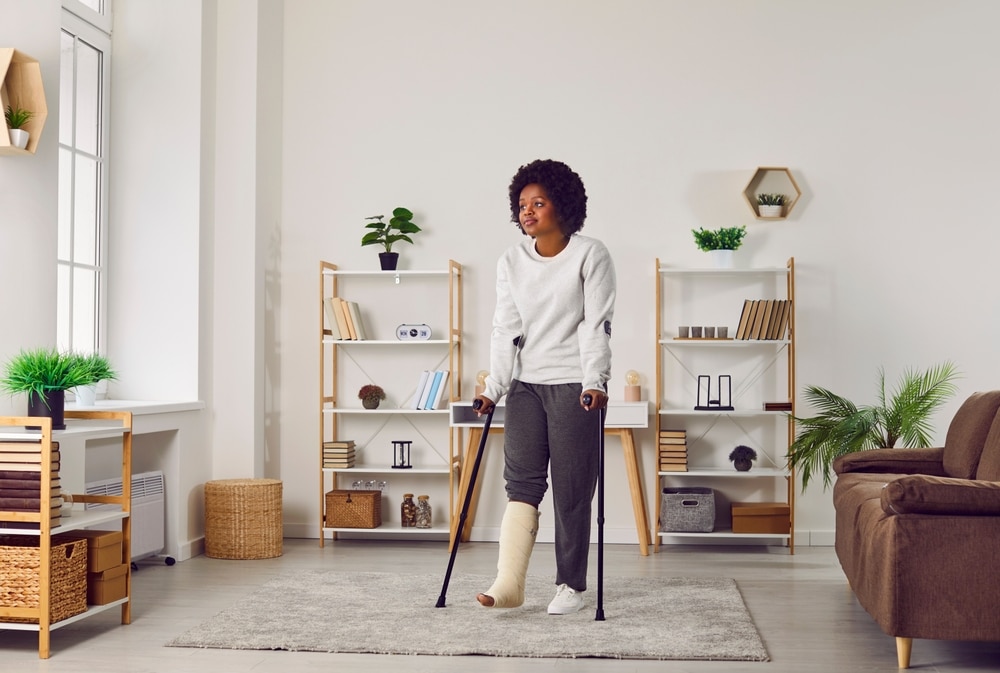
Catastrophic injuries occur without warning, instantly dividing a person’s life into “before” and “after.” Whether the cause is a motor vehicle collision, a workplace accident, or a sudden medical crisis, these injuries do more than damage the body; they alter the survivor’s entire reality. The person who began their day is not the same person who will navigate the arduous months and years of rehabilitation that follow.
If you or a family member are currently facing this transition, the sense of overwhelm is natural. Between foreign medical jargon and a mountain of insurance paperwork, the future can feel impossibly opaque. Understanding the landscape of recovery is the first step toward regaining a sense of control.
Defining Catastrophic Injuries and Their Lifelong Impact
In the medical field, an injury is classified as catastrophic if it results in permanent disability, necessitates long-term specialized care, or causes significant, lasting impairment. This category includes traumatic brain injuries (TBI), spinal cord damage, amputations, severe burns, and organ failure. The defining characteristic is not just the physical trauma, but how it hinders a person’s ability to live an independent life.
The prevalence of these injuries is significant. Data from the National Spinal Cord Injury Statistical Center indicates that approximately 17,900 new spinal cord injuries occur every year in the United States. Furthermore, the Brain Injury Association of America reports that 5.3 million Americans are currently living with long-term disabilities caused by traumatic brain injuries. These figures represent millions of individuals and families whose life trajectories have been fundamentally shifted.
The consequences of a catastrophic injury extend far beyond physical limitations. They trigger a domino effect that impacts professional careers, personal relationships, financial security, and mental health. A once-independent adult may suddenly require help with basic hygiene; a primary provider may no longer be able to work; and a parent may find it difficult to engage with their children as they once did. These shifts often require a complete re-evaluation of one’s identity.
The Intricate Challenges of Medical Rehabilitation
While surviving the initial crisis is a milestone, the transition from the hospital to home or a rehabilitation center often marks the start of the most difficult phase. Once the acute surgical needs are met and stability is achieved, the long-term work of recovery begins.
A typical recovery plan involves a complex network of specialists, including neurologists, physical and occupational therapists, orthopedic surgeons, speech pathologists, and psychologists. While each expert is vital, the burden of communication often falls on the patient or their family. Coordinating these various treatments while trying to heal can feel like an impossible task, especially when dealing with the physical and cognitive exhaustion that follows trauma.
Daily life becomes a cycle of therapy sessions, follow-up appointments, and medication management. Medical equipment may be delivered to the home with little explanation, and insurance providers often demand exhaustive documentation for every device and procedure. For those suffering from cognitive impairments due to their injury, this administrative load is even more taxing. Family members who step in as caregivers frequently face burnout as they juggle these new medical responsibilities alongside their existing jobs and lives.
Navigating the Complexities of Insurance Claims
If medical recovery is physically demanding, dealing with insurance is often emotionally draining. Policy documents are frequently filled with confusing terminology—such as “prior authorization,” “out-of-network benefits,” and “medical necessity”—that can make accessing care feel like a battle.
It is important to remember that insurance companies are businesses. Their objective is often to control costs, which may not always align with a patient’s need for specialized or long-term treatment. Frequent claim denials can occur, requiring a persistent and documented appeals process that is difficult to manage during a period of physical and emotional pain.
The type of coverage also adds layers of difficulty. Auto accidents may involve personal injury protection (PIP) or third-party liability, while workplace injuries fall under worker’s compensation, which has its own set of rigorous rules. Many survivors discover significant coverage gaps only after an injury occurs—for example, a policy might cover the initial surgery but deny the long-term physical therapy or the specific type of wheelchair needed for true independence.
The Role of Professional Advocacy and Case Management
Recognizing that you cannot manage this complexity alone is not a sign of failure; it is a realistic assessment of a difficult situation. Professional navigation services exist to help families manage the healthcare system, coordinate providers, and advocate for the patient’s rights.
In regions like Michigan, where auto accident laws involve a unique No-Fault system, specialized professionals are often essential. Certified Case Managers understand how to document medical needs and navigate the specific requirements of the insurance system to ensure survivors receive their full benefits. These advocates serve as a bridge between the medical world and the insurance world, ensuring that the patient’s recovery remains the primary focus.
Assembling a Multidisciplinary Recovery Team
A successful recovery requires more than just doctors; it requires a comprehensive team that addresses the legal, financial, and practical aspects of a life-changing injury.
- The Medical Core: This includes primary physicians and specialists like physiatrists, who focus on restoring function, and neuropsychologists, who address cognitive and emotional changes.
- Legal Support: If an injury was caused by negligence, a personal injury attorney specializing in catastrophic cases can help secure settlements that cover a lifetime of care, rather than just immediate bills.
- Financial Planning: Advisors who understand disability planning can help manage settlements, structure payments for tax efficiency, and navigate government benefit eligibility.
- Vocational Rehabilitation: These specialists evaluate your ability to return to work, suggest home or office accommodations, and help explore new career paths if the original job is no longer an option.
Addressing the Emotional and Psychological Transition
Physical healing is visible, but the psychological impact of a catastrophic injury is often the most enduring challenge. Survivors are not just healing their bodies; they are mourning their former lives. It is normal to grieve for the future you had planned and the independence you once possessed.
Well-meaning friends may encourage “staying positive,” but toxic positivity can be dismissive of the genuine loss involved. It is possible to be grateful for survival while also being devastated by the loss of function or identity. Depression and anxiety are extremely common; research suggests that up to 50% of TBI survivors experience depression, with similar rates seen in spinal cord injury patients.
Relationships also undergo significant stress. Friendships may shift, and the dynamic of a marriage can change dramatically when one partner becomes a full-time caregiver. Professional counseling with therapists who specialize in trauma and disability is often necessary to help families navigate these role changes and build a new sense of self.
Practical Systems for Daily Life Management
While focusing on long-term goals, developing strategies for daily management can significantly reduce stress.
- Organize Records: Maintain a centralized medical binder or digital file containing medication lists, provider contacts, insurance policies, and medical records. This ensures all specialists have access to the same information.
- Medication Systems: Use pill organizers combined with smartphone alarms or specialized pharmacy packaging to ensure consistency, especially if cognitive challenges make it difficult to remember schedules.
- Energy Conservation: Recovery is not a straight line. Learn to pace activities and respect physical limits. Schedule the most demanding tasks for times when energy levels are highest.
- Home Adaptations: Consult with an occupational therapist to modify your living space. Adaptive equipment and furniture adjustments are tools that empower independence, not signs of defeat.
- Specific Help: When people offer support, give them concrete tasks. Asking someone to “pick up groceries on Friday” or “drive to a specific appointment” is more effective than saying “I’m okay.”
Adapting to a New Future
Recovery from a catastrophic injury is rarely about returning to the “old” version of yourself. True progress involves accepting that while your life has changed permanently, it can still be filled with purpose and joy. Long-term adaptation is an evolving process of adjusting expectations and goals.
Small victories should be celebrated. Whether it is gaining a few seconds of standing time, managing a social outing, or learning a new way to engage in a hobby, these milestones represent significant effort. Connecting with peer support groups can also provide validation, as speaking with others who have walked a similar path offers unique insights that medical professionals cannot always provide.
Summary: Moving Forward With Resilience
A catastrophic injury is a path no one chooses, and the unfairness of the situation is a reality that must be acknowledged. However, within this new reality, there are still choices to be made. By assembling a strong support team, advocating for your needs, and allowing yourself the space to grieve and adapt, you can redefine what recovery looks like on your own terms. While the road is long and setbacks are inevitable, the journey is one of discovering a different kind of strength and building a life that, while changed, remains deeply meaningful.