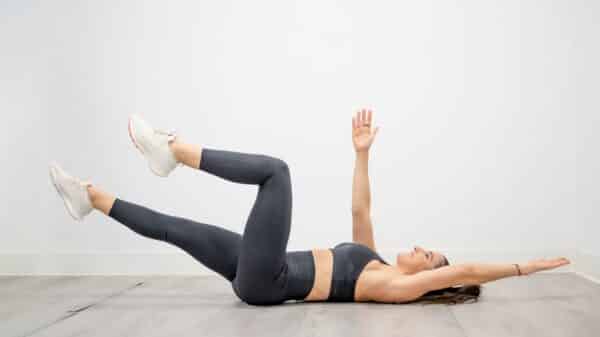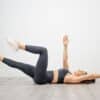














Determining your physical baseline is essential for maintaining mobility and independence as you age. Among the most effective markers for lower-body stability is the glute bridge. This exercise is a cornerstone of functional fitness, teaching you how to mobilize your hips, engage your glutes, and stabilize your spine in a controlled environment. While it is often taught to beginners, the glute bridge remains a vital tool for experienced trainees because it builds the foundation for virtually every lower-body movement pattern.
From a professional coaching perspective, the bridge is more than just an exercise; it is a diagnostic tool. It reveals how effectively an individual can recruit their posterior chain. Many active adults over 55 maintain a consistent workout routine but still fail to engage their glutes properly during a bridge, often overcompensating with the lower back. This lack of targeted tension eventually leads to fatigue and a higher risk of discomfort during daily activities. Transitioning from dynamic repetitions to a static hold removes momentum, forcing the muscles to maintain constant force and providing a true test of functional endurance.
The Functional Benefits of Static Glute Endurance
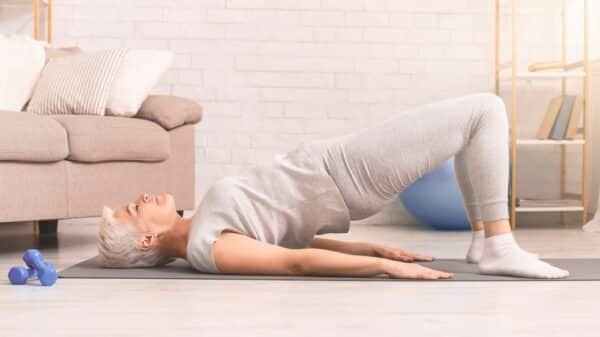
The bridge hold isolates the glutes as the primary drivers of hip extension. Once your hips leave the floor, these muscles must work continuously to maintain a neutral alignment. While the hamstrings and core provide secondary support, the glutes are the main stabilizers. If they aren’t firing correctly, you will feel the tension shift into your lumbar spine or see your hips begin to sag.
Unlike many exercises that allow for a brief rest between repetitions, a static hold requires “time under tension.” Your muscles must produce force without interruption, which is exactly what is required when walking long distances, climbing stairs, or standing for extended periods. Furthermore, a proper hold highlights pelvic alignment. Any significant imbalance between the left and right sides will cause the pelvis to tilt or rotate, signaling where you need to focus your corrective efforts.
How to Execute a High-Quality Bridge Hold
The effectiveness of a glute bridge is entirely dependent on the setup. Rushing into the lift often turns it into a lower-back exercise rather than a glute-focused one. To ensure you are hitting the right muscles, follow these steps:
- Lie flat on your back with your knees bent and feet positioned hip-width apart on the floor.
- Place your arms straight at your sides with your palms facing down for stability.
- Brace your core muscles before initiating any movement to protect your spine.
- Drive through your heels to lift your hips toward the ceiling until your knees, hips, and shoulders form a straight diagonal line.
- Squeeze your glutes firmly at the top and keep your ribcage tucked down to prevent arching your lower back.
- Maintain this rigid position while breathing deeply, ensuring your hips do not dip or rotate.
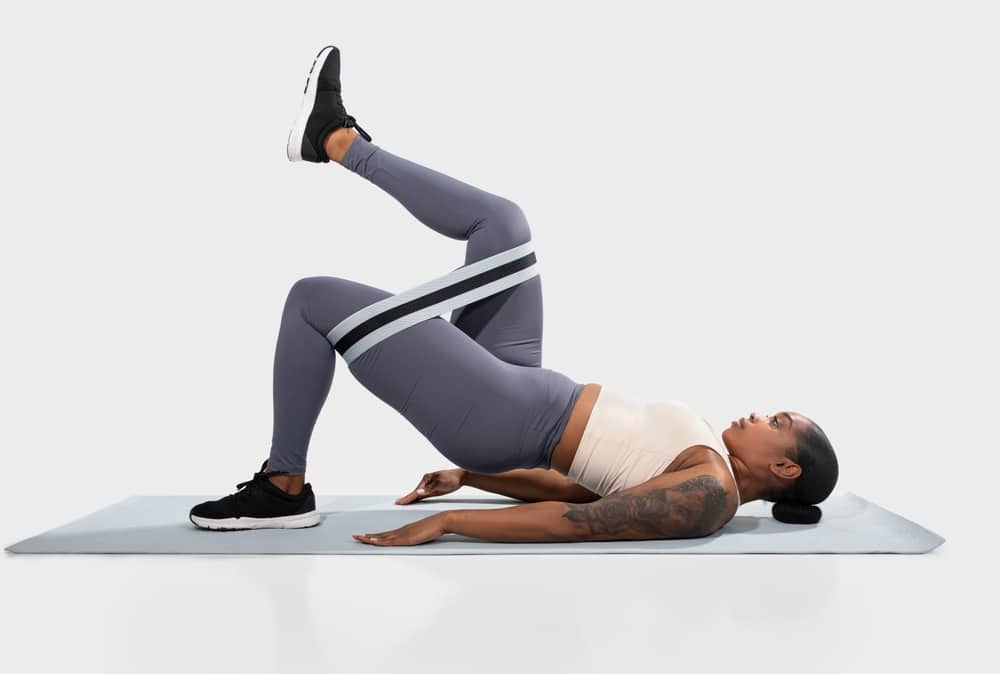
If you have mastered the basic hold, you can challenge your stability with variations such as the single-leg bridge, marching bridges, or placing your feet on an elevated surface.
Performance Benchmarks: How Long Should You Hold a Bridge?
When testing your endurance, your time only counts as long as your form remains perfect. The moment your hips drop or you feel a “tweak” in your lower back, the set is over. Here is how to categorize your results if you are over 55:
- Under 30 Seconds: You are currently building your foundational strength. Focus on mind-muscle connection and ensuring your glutes are the primary movers.
- 30 to 60 Seconds: This represents a solid level of functional fitness. Your glutes are capable of supporting your hips and spine through moderate duration.
- 60 to 90 Seconds: You have achieved a strong level of endurance. At this stage, you can maintain high tension without letting your form drift.
- Over 90 Seconds: This is considered the elite benchmark for those over 55. Achieving this time indicates exceptional glute engagement and hip stability.
Proven Strategies for Increasing Hip and Glute Strength
Improving your bridge hold is not just about staying in the position longer; it is about developing higher-quality tension. Enhancing your hip stability will pay dividends in your overall movement quality and longevity. Consider these training principles:
- Consistency Over Intensity: Incorporating bridges into your routine two to three times a week is more effective than one long, exhausting session.
- Pre-Lift Bracing: Always set your core and foot position before lifting your hips to ensure the glutes take the load.
- Prioritize Alignment: Use a mirror or a partner to ensure your ribs stay down and your hips remain level as fatigue sets in.
- Volume via Sets: It is better to perform three 30-second holds with perfect form than one 90-second hold where your form collapses halfway through.
- Unilateral Progression: Introduce single-leg bridge work to identify and fix strength imbalances between your hips.
- Complementary Movements: Support your bridge progress by performing exercises like step-ups, split squats, and hip thrusts.
References
- Lehecka, B J et al. “BUILDING A BETTER GLUTEAL BRIDGE: ELECTROMYOGRAPHIC ANALYSIS OF HIP MUSCLE ACTIVITY DURING MODIFIED SINGLE-LEG BRIDGES.” International journal of sports physical therapy vol. 12,4 (2017): 543-549.
- Goller, Maximilian et al. “How to activate the glutes best? Peak muscle activity of acceleration-specific pre-activation and traditional strength training exercises.” European journal of applied physiology vol. 124,6 (2024): 1757-1769. doi:10.1007/s00421-023-05400-3
Summary for Longevity
The glute bridge is a vital metric for assessing physical health after age 55. While a 90-second hold serves as an elite benchmark, the real value lies in the stability and spinal support that a strong posterior chain provides. By focusing on proper form, bracing the core, and maintaining consistent training, you can improve your hip health, making everyday movements like walking and climbing stairs easier and more efficient for years to come.