















Maintaining a resilient core is perhaps the most significant investment you can make in your physical health as you pass the age of 55. While many people associate “core work” with grueling gym sessions or high-impact floor exercises, the reality is that you can initiate a potent strengthening routine before your feet even hit the floor in the morning. Transforming your mattress into a tool for functional fitness allows you to capitalize on a low-impact environment while addressing the specific physiological changes that occur with aging.
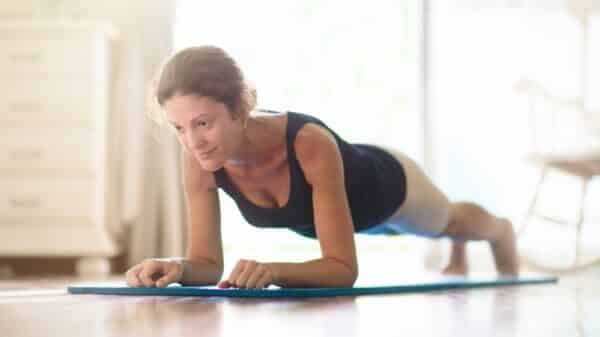
As we age, the body naturally faces challenges like sarcopenia (muscle loss), shifting hormonal balances, and a slowing metabolism. These factors can lead to decreased stability and a higher risk of falls or back injuries. Dr. Dustin DebRoy, a chiropractic expert, suggests that while the traditional plank is a staple for many, it often falls short for older adults. The reason is simple: life is dynamic. Real-world movement requires your core to stabilize while your limbs are in motion. By introducing controlled, coordinated movements of the arms and legs, you prepare your body for the actual demands of daily life—such as carrying groceries, climbing stairs, or maintaining balance on uneven surfaces.
The following five exercises are designed to be performed directly on your mattress, providing a supportive surface that challenges your stability in a safe, accessible way.
Bird-Dog
The Bird-Dog is a gold standard for spinal stability because it forces the body to resist rotation. Performing this on a bed adds a slight element of instability, which further engages the deep stabilizing muscles of the spine. This move is particularly effective for improving cross-body coordination, which is a vital cognitive and physical skill as we age.
- Position yourself on all fours (tabletop) on the mattress.
- Slowly extend your left arm forward while simultaneously extending your right leg straight back.
- Focus on keeping your hips level and your core “zipped up” to prevent your back from arching.
- Hold the extension for two seconds, focusing on length rather than height.
- Return to the starting position and switch to the opposite arm and leg.
Bicycle Kicks
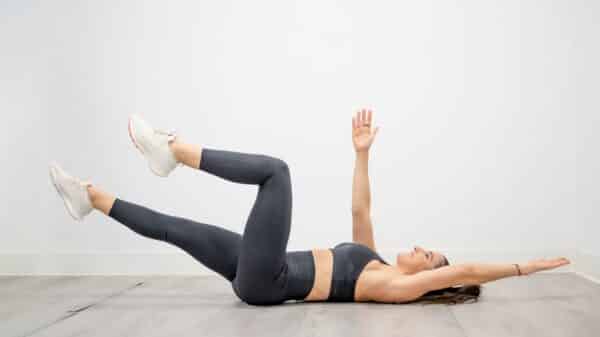
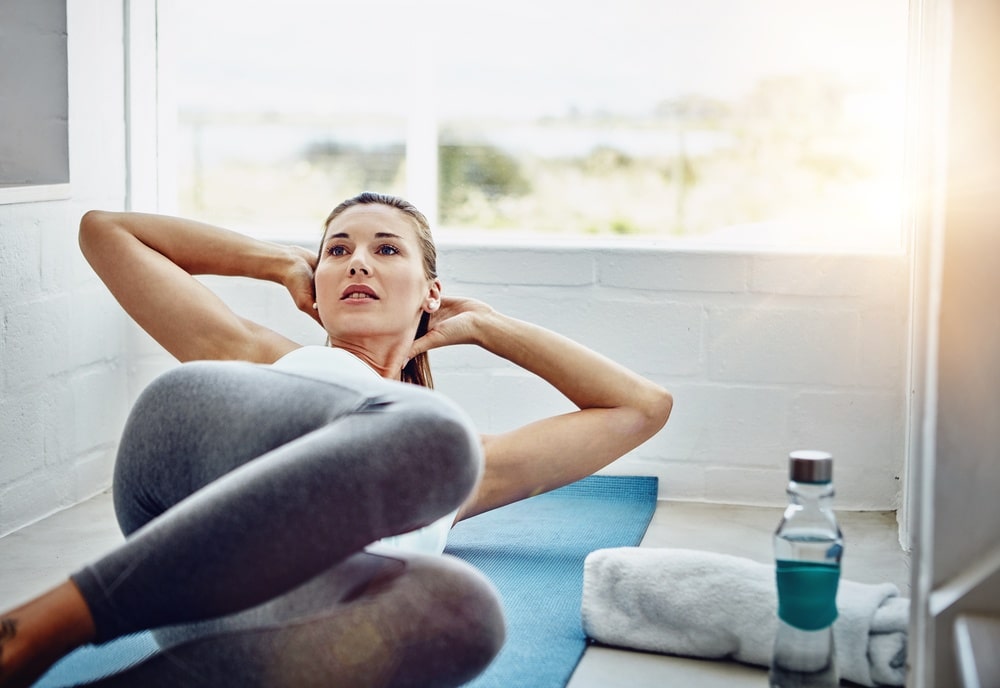
While many associate bicycle kicks with fast-paced cardio, the key to building core strength after 55 is slow, intentional control. This exercise targets the rectus abdominis and the obliques, helping to create a firm “corset” of muscle around your midsection.
- Lie flat on your back, pressing your lower back gently into the mattress.
- Lift both feet off the bed, keeping your knees bent.
- Extend one leg straight out while pulling the opposite knee toward your chest.
- Alternate legs in a rhythmic, “pedaling” motion, ensuring your core remains engaged and your lower back does not lift off the bed.
Glute Bridge With Kicks
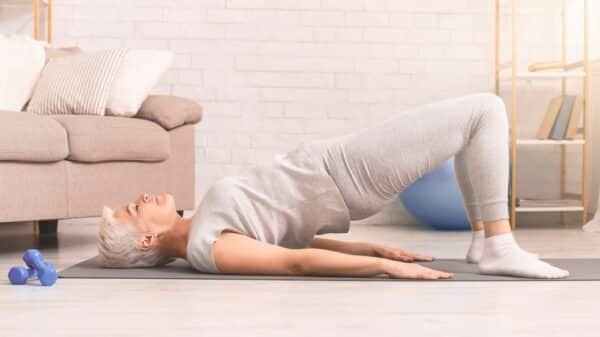
A strong core is nothing without a strong posterior chain. Glute bridges are essential for supporting the lower back and improving hip mobility. By adding a “kick” or leg extension, you challenge your pelvis to stay level, which directly translates to better balance when walking.
- Lie on your back with your knees bent and feet flat on the mattress, hip-width apart.
- Drive through your heels to lift your hips toward the ceiling until your body forms a straight line from knees to shoulders.
- Once stable, extend one leg straight out.
- Hold for one to two seconds, focusing on keeping your hips from dipping.
- Lower the foot and repeat with the other leg before lowering your hips back to the bed.
Abdominal Curl-Up
Unlike a traditional sit-up, which can put undue strain on the neck and lower spine, the abdominal curl-up is a localized movement designed to activate the upper and middle abdominals. This exercise helps with the “functional” core strength needed to sit up from a lying position safely.
- Lie on your back with your knees bent and feet planted.
- Place your arms straight down by your sides.
- Using your core muscles rather than your neck, slowly lift your head and shoulders off the mattress.
- Slide your hands forward toward your heels as you reach the peak of the movement.
- Hold briefly at the top, then slowly lower yourself back down with control.
Windshield Wiper
This movement is exceptional for spinal mobility and oblique strength. Rotation is often the first range of motion we lose as we age, so keeping the spine supple while strengthening the sides of the core is vital for preventing “tweaked” backs during everyday tasks.
- Lie flat on your back and extend your arms out to the sides in a “T” shape for stability.
- Lift your legs toward the ceiling. (If your hamstrings are tight, a slight bend in the knees is perfectly fine).
- Slowly lower your legs to the right, only going as far as you can while keeping your shoulders pinned to the mattress.
- Use your core to pull your legs back to the center, then repeat on the left side.
By incorporating these five movements into your morning routine, you transition from a state of rest to a state of readiness. Building core strength after 55 isn’t about achieving a specific aesthetic; it is about maintaining the freedom of movement and the physical confidence to enjoy an active, independent life. Consistency is the most important factor—five to ten minutes every morning can yield significantly better results for long-term spinal health than an occasional high-intensity workout. Start today, and let your bed be the foundation for a stronger, more resilient version of yourself.