
















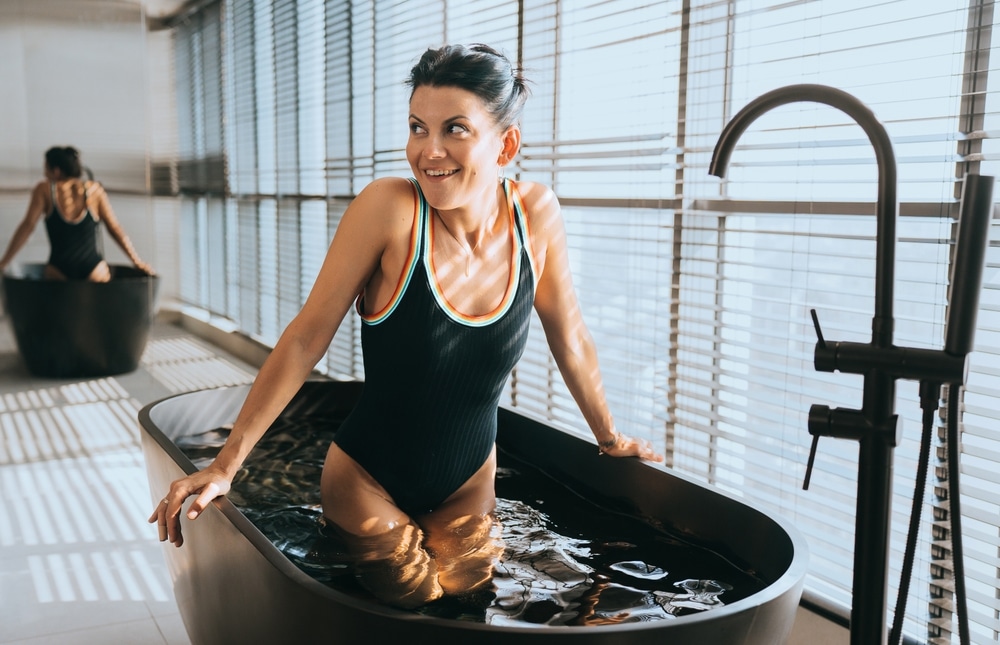
For years, the concept of an ice bath was viewed as a grueling ritual reserved exclusively for professional athletes and elite competitors. However, the landscape of recovery has shifted dramatically. Cold water immersion, frequently referred to as “cold plunging,” has transitioned from a niche locker-room practice to a mainstream wellness habit for recreational lifters, runners, and health-conscious individuals alike.
Today, dedicated cold therapy equipment is becoming a common fixture in residential garages and backyards, replacing traditional foam rollers and stretching mats. This surge in popularity raises an important question: is stepping into freezing water a legitimate physiological tool for muscle repair, or is it simply a temporary fitness trend? To understand why this practice is gaining such momentum, we must examine the biological mechanisms at play, the logistics of a home setup, and the specific protocols that maximize recovery.
How Cold Water Immersion Affects Your Body’s Internal Systems
The immediate sensation of water below 60°F (15°C) hitting the skin triggers a survival reflex, characterized by an increased heart rate and a sharp intake of breath. While this initial shock is intense, the underlying physiological adaptations are what drive the recovery process.
To maintain a stable core temperature, the central nervous system initiates rapid vasoconstriction. This process narrows the peripheral blood vessels, diverting blood flow away from the limbs and toward the vital organs. Once you exit the cold water, the body undergoes two significant restorative reactions:
- The Reperfusion Effect: As the body begins to warm, blood vessels undergo vasodilation, widening to allow oxygen-rich blood to flood back into the extremities. This surge helps flush out metabolic byproducts and reduces the inflammation associated with intense exercise.
- Neurochemical Optimization: The cold shock triggers a significant spike in dopamine and norepinephrine. This hormonal response provides a sustained sense of alertness, improved mood, and mental clarity that can last several hours after the session.
Transitioning from Manual Ice Baths to Efficient Home Systems
While the benefits of cold therapy are clear, many people struggle to maintain the habit due to the logistical challenges of a manual setup. A common entry point is filling a standard bathtub with dozens of pounds of store-bought ice. However, this method is often unsustainable, as it is expensive, time-consuming, and difficult to calibrate for consistent temperatures.
For those committed to a long-term recovery routine, a dedicated cold plunge equipped with a chiller system is a more practical investment. These systems maintain water at a precise temperature consistently, eliminating the need for constant ice runs. Furthermore, high-quality units often feature multi-stage filtration and circulation systems, ensuring the water remains sanitary and ready for use immediately following a workout. By removing the friction of preparation, these systems make cold therapy a seamless part of a daily schedule.
Evidence-Based Guidelines for Temperature and Duration
To achieve the best results without overtaxing the nervous system, it is important to view cold plunging as a form of controlled stress. The goal is not to endure the coldest temperature possible, but to stay within a range that stimulates biological adaptation.
To optimize recovery while ensuring safety, consider the following parameters:
- Temperature Range: Aiming for 50°F to 59°F (10°C to 15°C) is generally sufficient for most recovery goals. Extremely low temperatures can be counterproductive if they cause excessive stress or force the user to exit the water too quickly.
- Duration per Session: Spending 2 to 5 minutes in the water is the ideal window. Research suggests that accumulating approximately 11 minutes of cold exposure per week, divided into several shorter sessions, is the most effective way to see long-term benefits.
- Frequency: Plunging 3 to 4 times per week, particularly after high-intensity training sessions, provides a balanced approach to managing systemic inflammation.
The Performance Advantages for the Everyday Athlete
When these protocols are followed consistently, the benefits extend beyond simple muscle repair. The compounding effects of cold therapy can significantly enhance an athlete’s overall performance profile:
- Mitigation of Muscle Soreness: By dampening pain receptors and managing tissue swelling, cold therapy helps alleviate Delayed Onset Muscle Soreness (DOMS). This allows for a quicker return to high-level training without the lingering “heavy-leg” feeling.
- Improved Sleep Architecture: Engaging in cold therapy during the afternoon or evening can assist the body’s natural circadian rhythm. The drop in core body temperature that occurs after exiting the plunge signals the brain to prepare for deep, restorative sleep.
- Development of Mental Resilience: The act of remaining calm and controlling one’s breath in an uncomfortable environment builds significant “mental grit.” This ability to manage stress under pressure is a skill that translates directly to both athletic performance and daily life challenges.
Common Questions Regarding Cold Therapy
Will cold plunging negatively impact muscle hypertrophy?
If your primary objective is to maximize muscle size (hypertrophy), it is advisable to wait at least 4 hours after a heavy resistance training session before cold plunging. This is because cold therapy can suppress the acute inflammatory response that signals muscle growth. However, plunging is highly beneficial on rest days or following cardiovascular and conditioning workouts where muscle size is not the singular focus.
Is it beneficial to take a hot shower immediately after a plunge?
For the best metabolic and circulatory results, it is recommended to let the body warm up naturally for 15 to 20 minutes before taking a hot shower. Allowing the body to reheat through its own thermogenic processes maximizes the metabolic demand and ensures the full benefits of the “flushing” effect are realized.
Conclusion: Enhancing Recovery through Strategic Cold Exposure
Cold therapy is not a replacement for proper nutrition or sleep, but it is a powerful supplemental tool for those looking to optimize their recovery and mental focus. By utilizing the right equipment and following a science-backed protocol, you can effectively reset your physical state and prepare your body for the demands of your next training session. As with any new wellness practice, start gradually, pay close attention to your body’s signals, and focus on consistency to achieve the best results.