



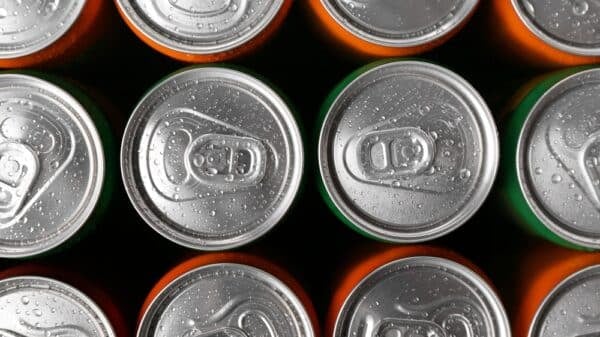












Many individuals seek a quick energy boost to power through a workout, a long shift, or a busy commute. However, traditional delivery methods like coffee or energy drinks come with drawbacks, such as the risk of spills or the discomfort of consuming a large volume of liquid before physical activity. Caffeine pouches have emerged as a portable, drink-free alternative designed to fit seamlessly into an active lifestyle. While they offer significant convenience, they should be used as a tool for targeted energy rather than a reason to exceed safe caffeine limits.
The Benefits of a Portable Energy Source
Caffeine pouches are designed for maximum mobility, easily sliding into a gym bag, pocket, or purse. Because they do not require a fridge, kettle, or cup, they are a practical choice for those with demanding schedules. This format is especially useful for athletes, students, travelers, and professionals working irregular hours. For those who already incorporate caffeine into their daily routine, pouches can provide a more controlled way to manage the timing and quantity of their intake.
Avoiding Sugar and Digestive Discomfort
Many people want the alertness associated with caffeine without the added sugars or the bulk of a large beverage. Caffeine pouches cater to this preference by providing a concentrated dose without the extra calories. Furthermore, avoiding large amounts of fluid before a strenuous workout can help prevent gastrointestinal issues and “sloshing” sensations. It is important to remember, however, that being sugar-free does not make a product inherently healthy; the caffeine content per pouch still needs to be monitored to ensure total daily consumption remains within a safe range.
Greater Control Over Stimulation Timing
One of the distinct advantages of the pouch format is the ability to be more intentional with caffeine timing. Users can choose the exact moment they need a boost, such as immediately before a training session or during a period of high mental demand. When used correctly, caffeine can improve alertness, motivation, and physical performance. However, users must remain mindful of the “caffeine half-life.” Using stimulants too late in the day can interfere with sleep quality, creating a cycle where the user relies on caffeine to compensate for poor rest the following day.
Enhancing Fitness Without Replacing Recovery
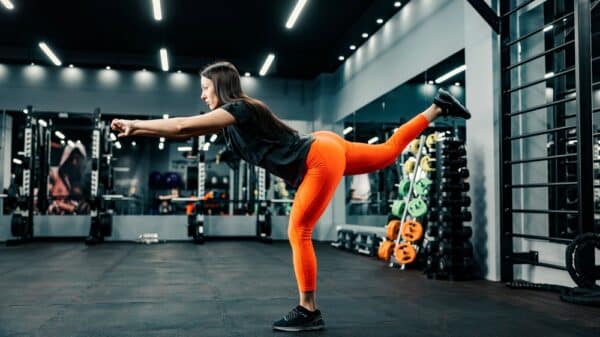
On days when energy levels feel low, caffeine can provide the necessary spark to get a workout started or help an athlete “get in the zone.” While this can be a helpful performance aid, it is not a substitute for the fundamental pillars of health, such as restorative sleep, proper nutrition, and adequate hydration. If an individual finds they cannot exercise without a stimulant, it may be a sign of overtraining, high stress, or a caloric deficit. Caffeine should support a fitness routine, not mask the body’s need for rest and recovery.
Safety Guidelines and What to Check
Before trying caffeine pouches, it is essential to read the label for the specific caffeine dosage per serving. It is also important to verify that the product is nicotine-free and to check for any added flavors or ingredients. To avoid overconsumption, users should calculate their total caffeine intake from all sources, including tea, soda, chocolate, and pre-workout supplements. For most healthy adults, the general recommendation is to stay below 400 mg of caffeine per day, with lower limits for those who are pregnant or breastfeeding. These products may not be suitable for individuals with heart conditions, hypertension, anxiety disorders, or chronic sleep issues.
Practical Integration for an Active Lifestyle
Caffeine pouches provide a convenient and efficient option for busy adults who prefer a compact and liquid-free energy source. Their primary value lies in their portability and the ability to time intake more precisely without the need for large drinks. To maximize the benefits, these pouches should be used mindfully and at the appropriate times, ensuring they supplement a healthy lifestyle rather than replacing the essential energy provided by food and rest.