















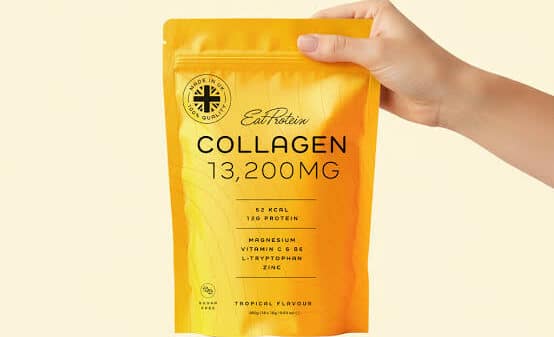





Wellness-conscious individuals are characterized by their commitment to product integrity. They are known for scrutinizing ingredient lists, verifying agricultural sources, and prioritizing rigorous laboratory testing. This high standard for quality extends to any emerging health-adjacent market, including the legal cannabis framework established in countries like Canada. For those interested in consumer safety, the Canadian regulatory model serves as an informative case study on how oversight can mitigate risks.
Within Canada’s legal framework, a compliant online retailer must adhere to stringent protocols regarding product purity and transparent labeling. This system is designed to prioritize public safety through accountability. It is important to note that while this model provides valuable insights into consumer protection, cannabis remains a Class B controlled substance in the United Kingdom. The following information is intended for educational purposes for adults and does not constitute medical or legal advice, nor is it an encouragement to violate local laws.
Why Strict Regulation Enhances Consumer Protection
Government oversight replaces uncertainty with standardized protocols. In a regulated environment, products undergo mandatory testing before they can be sold to the public. Labels must clearly disclose cannabinoid content, batch identifiers, and comprehensive safety warnings, allowing consumers to make data-driven decisions.
In contrast, an unregulated supply chain lacks these essential safeguards. Without oversight, there is a significantly higher risk of contamination, inaccurate potency claims, and unknown additives. A mature, legal system aims to eliminate these variables for adult consumers, fostering a safer environment through transparency.
This commitment to quality mirrors the habits of those who invest in high-quality superfoods and dietary supplements. Just as health enthusiasts seek out verified sourcing for their nutrients, they value the same level of scrutiny in any regulated industry. In these markets, verifiable quality markers always carry more weight than promotional messaging.
Furthermore, testing protocols are vital for protecting individuals with specific sensitivities. Detailed lab reports allow consumers to identify and avoid potential allergens, molds, or synthetic additives. This level of detail represents the foundation of modern consumer protection in the health and wellness sector.
Navigating Canada’s Strict Compliance Standards
Since the federal legalization of recreational cannabis in 2018, Canada has maintained a robust system of rules governing how products are tested, packaged, and sold. While federal law sets the safety baseline, individual provinces manage the retail landscape, ensuring a consistent standard of safety across the country.
For a product to be considered compliant in Canada’s online market, it must typically display several key pieces of information:
- Verified THC and CBD concentrations.
- A unique lot or batch number for product traceability.
- Standardized, child-resistant packaging.
- Detailed instructions for safe storage and usage.
Provinces like Ontario exercise strict control over licensed retail operations, ensuring that every seller operates within the boundaries of the law. This consistency is vital for building public confidence. Enforcement is a critical component of this system; regulators conduct frequent audits, and those who fail to meet standards face significant penalties or the loss of their operating licenses. This pressure ensures that quality remains the primary focus for all market participants.
A Summary of Cannabis Legislation in the UK
The legal landscape in the United Kingdom differs significantly from the Canadian model. In the UK, cannabis is classified as a Class B drug under the Misuse of Drugs Act 1971. It is currently illegal to possess, cultivate, or distribute the substance. Readers are reminded that this article is for informational context only and should not be interpreted as a suggestion to bypass national laws.
Violations of these laws can result in severe legal consequences, including significant fines or custodial sentences. While understanding international regulatory models can inform public discourse on safety and testing, it does not alter the legal restrictions currently in place within the UK.
However, examining how other nations manage these sectors provides valuable perspective. It highlights the global importance of laboratory verification and transparent labeling, principles that are relevant to many areas of consumer health, regardless of a specific product’s legal status.
Core Indicators of Product Reliability and Safety
Developing an eye for quality signals is a valuable skill for any consumer. In regions where cannabis is legally regulated for adults, several specific indicators signify a commitment to safety. These cues often overlap with the best practices seen in the broader wellness industry.
When evaluating products in a regulated health market, the following signals are paramount:
- Publicly accessible results from independent, third-party laboratory tests.
- Comprehensive labeling that includes batch numbers and ingredient breakdowns.
- Secure packaging that is both tamper-evident and child-resistant.
- Verification that the vendor is officially licensed by a government regulator.
These habits mirror the way proactive individuals manage their nutrition and diet. Just as one might research the bioavailability of specific vitamins or the sourcing of organic produce, the same level of care should be applied to any product that interacts with the body’s systems. Transparency is not a luxury; it is a fundamental requirement for consumer safety.
The Intersection of Regulatory Transparency and Holistic Wellness
A well-regulated market empowers consumers by providing data instead of hyperbole. This shift toward transparency is perhaps the most significant lesson for the wellness community, as it encourages a more analytical approach to personal health choices.
Maintaining a healthy lifestyle depends on the quality of the inputs we choose. Whether it is the food we eat or the supplements we take, having access to accurate information is what allows for safe and effective routines. This is particularly true when considering the nutritional needs that evolve as we age.
Informed decision-making often requires patience. Rushing into a purchase can lead to overlooking critical details on a label. By slowing down and investigating the background of a product, consumers can ensure they are choosing items that align with their health goals. While tested and regulated products may carry a higher price point, this often reflects the costs associated with ensuring safety and purity—a trade-off that many health-conscious adults find essential.
Critical Takeaways on Global Cannabis Regulations
- Canada established a national framework for recreational cannabis in 2018.
- Age requirements vary by province, ranging from 18 to 21 years old.
- Legal products are defined by mandatory lab testing and clear, standardized labeling.
- Cannabis remains a controlled Class B substance under UK law.
- This content is for background information and does not serve as a product recommendation.
Analyzing the Impact of Mature Regulatory Systems
The Canadian experience demonstrates the potential of a standardized regulatory system to elevate safety across an entire industry. By mandating rigorous testing and licensing, the system creates a protective barrier for adult consumers. While this model is specific to Canada, the principles of oversight and accountability are being studied by policymakers worldwide.
For residents of the UK, the current legal status remains the primary consideration. Although the Canadian model offers an interesting look at quality control, it does not change the prohibitions in other jurisdictions. Instead, it serves as a reminder that transparency and rigorous standards are the benchmarks of any healthy consumer market.
The global exchange of data from mature markets helps refine safety standards everywhere. This commitment to detail and quality is a hallmark of the wellness movement, where informed consumers continue to drive the demand for better, safer, and more transparent products.
Essential Answers on Regulation and Compliance
What is the legal status of cannabis in the UK?
Cannabis is currently illegal in the United Kingdom and is classified as a Class B drug. Possession, production, or distribution can lead to criminal charges, including prison time. This article provides international context and is not legal guidance.
What regulations govern Canadian online dispensaries?
In Canada, authorized sellers must comply with both federal and provincial statutes. This includes ensuring all products are laboratory tested, labeled with batch numbers, and sold in child-resistant packaging. Age restrictions are strictly enforced based on provincial law.
Why are laboratory results important for consumer health?
Laboratory testing verifies the potency of a product and ensures it is free from harmful contaminants like pesticides or heavy metals. In a regulated market, these results provide the transparency necessary for consumers to make safe, informed choices, similar to how one might verify the purity of health supplements.
Does this information promote the use of cannabis?
No. This article is strictly educational and focuses on the mechanics of regulatory oversight and quality control. Consumers should always adhere to the laws of their specific jurisdiction and consult with healthcare professionals regarding any health-related decisions.
Summary of Quality Standards and Regulatory Lessons
The transition from unregulated to regulated markets highlights a universal truth in the wellness industry: transparency is the ultimate safeguard for the consumer. By examining the rigorous testing, labeling, and licensing requirements found in Canada, we can see how data-driven oversight reduces the risks associated with product uncertainty. While these insights illustrate the benefits of high safety standards, they also underscore the importance of staying informed about local laws and prioritizing verified quality in all health-related purchases. Ultimately, a patient and investigative approach to any consumer product is the best way to ensure personal safety and well-being.