

















Androgenetic alopecia, commonly recognized as male or female pattern hair loss, stands as one of the most frequent reasons patients seek dermatological care. This chronic condition is marked by the gradual thinning of hair, primarily across the central area of the scalp. While pharmaceutical interventions and specialized supplements are common topics of discussion, emerging research suggests that dietary choices may play a significant role in managing and potentially reversing hair loss.
The Surprising Link Between Gut Health and Hair Growth
The human microbiome—the vast community of microbes living within our digestive tract—appears to exert a profound influence on hair follicles. Evidence for this connection comes from clinical observations involving fecal microbiota transplants. In documented cases, individuals suffering from total hair loss experienced significant regrowth following the introduction of a healthy donor’s microbiota. These instances highlight the possibility that internal microbial balance is a critical factor in maintaining a healthy head of hair, suggesting that nurturing beneficial gut bacteria through diet may be a foundational step in hair preservation.
Plant-Based Diets and Reduced Risk of Thinning
Large-scale population studies have identified clear patterns between lifestyle habits and scalp health. Research indicates that diets high in processed junk foods and meat, combined with poor sleep hygiene, are frequently associated with increased male pattern baldness. Conversely, protective benefits have been observed in those who regularly consume fresh herbs and raw vegetables.
Soy consumption, in particular, shows a strong correlation with hair retention. Data suggests that individuals who drink soymilk at least once a week may reduce their odds of experiencing moderate to severe hair loss by as much as 62%. This suggests that specific phytochemicals found in plants may offer a protective barrier against the mechanisms that trigger follicle miniaturization.
Synergistic Effects of Capsaicin and Soy Isoflavones
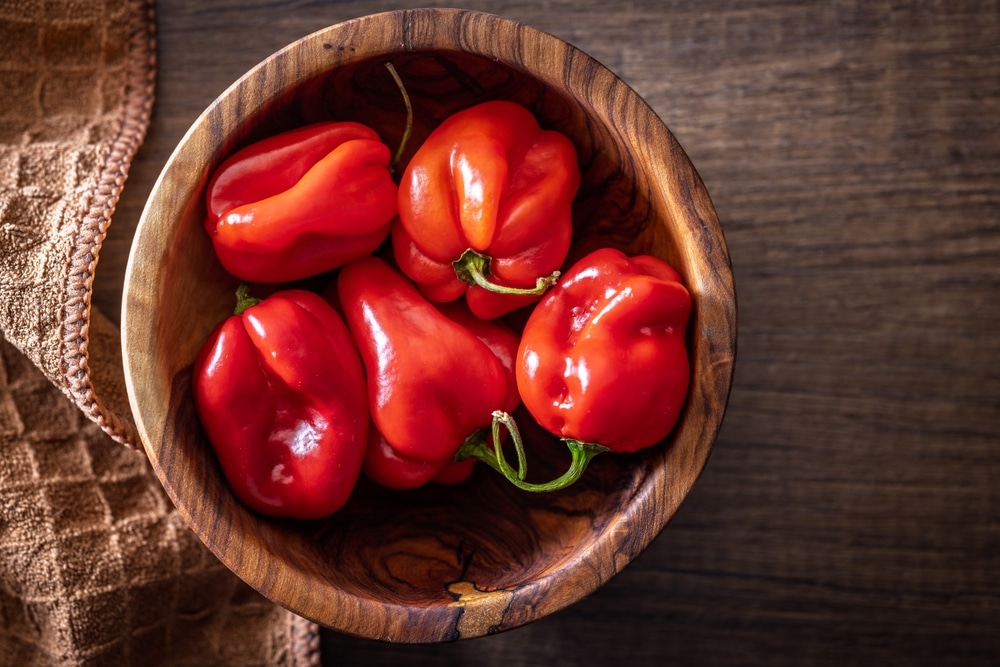
While many alternative remedies make bold claims without clinical backing, a randomized, double-blind, placebo-controlled trial has provided objective evidence for the combination of hot peppers and soy. The study found that specific doses of capsaicin and isoflavones significantly promoted hair growth in both men and women.
The effective daily doses used in the research were 6 milligrams of capsaicin and 75 milligrams of isoflavones. In terms of whole foods, these amounts are easily achievable:
- Capsaicin: Approximately one-quarter of a fresh jalapeño pepper provides the necessary 6 milligrams.
- Isoflavones: Eating roughly three-quarters of a cup of tempeh or whole cooked soybeans provides 75 milligrams.
It is worth noting that while soy nuts are a concentrated source of isoflavones, they are often prepared at high temperatures. To avoid advanced glycation end-products (AGEs), which are inflammatory compounds formed in high-protein foods during dry-heat processing, it is generally recommended to opt for steamed or boiled soy options rather than roasted varieties.
The Benefits of Pumpkin Seed Oil for Hair Density
Pumpkin seeds, often discarded as food waste, contain a dense profile of nutrients that may act as natural anti-androgens. The interest in pumpkin seeds for hair loss stems from their success in treating benign prostatic hyperplasia (BPH). Because an enlarged prostate and pattern baldness are both influenced by androgen activity, researchers tested whether pumpkin seeds could improve hair density.
In a controlled clinical trial, men with pattern baldness took 400 milligrams of pumpkin seed oil daily—a small amount equivalent to just two or three pumpkin seeds. After 24 weeks, the results were notable: those taking the oil saw a 40% increase in hair count, compared to only a 10% increase in the placebo group. Subjective satisfaction scores were also significantly higher in the pumpkin seed group.
Importantly, unlike some conventional hair loss medications that can affect hormonal balance elsewhere in the body, the pumpkin seed oil did not produce adverse sexual side effects, such as erectile dysfunction, making it a potentially safe and effective natural alternative.
Summary of Dietary Strategies for Hair Retention
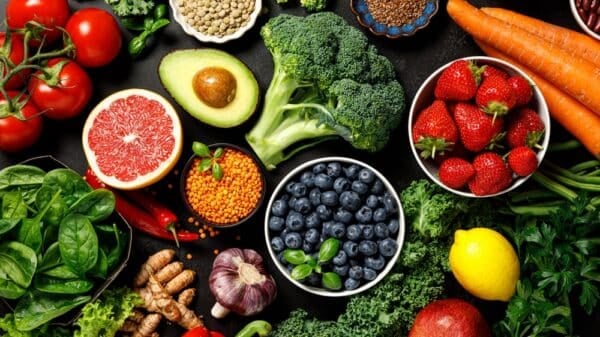
Managing hair loss through nutrition involves more than just individual “superfoods”; it requires a shift toward a diet rich in specific plant compounds. Incorporating small amounts of capsaicin from peppers, regular servings of soy-based foods like tempeh, and even a few pumpkin seeds daily can provide the body with potent, evidence-based tools to support follicle health. By focusing on raw vegetables and herbs while maintaining a healthy gut microbiome, individuals may be able to significantly influence the progression of androgenetic alopecia without the side effects often associated with traditional pharmacological treatments.