




















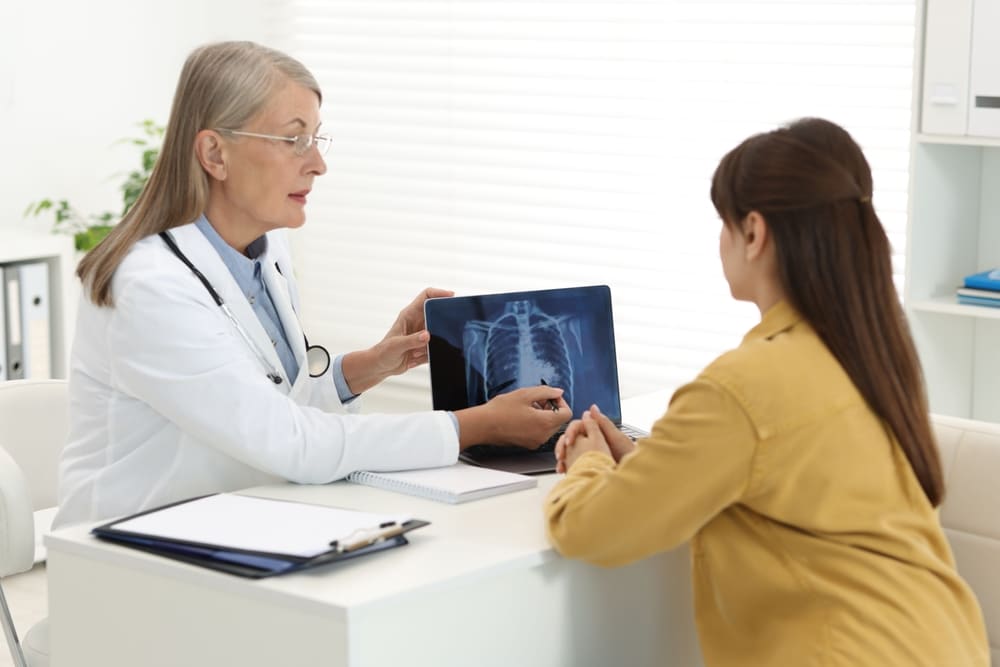
Navigating a lung cancer diagnosis is an intensely personal journey that often requires more than just clinical intervention. Many individuals find that a comprehensive wellness strategy—one that addresses the physical, emotional, and nutritional needs of the body—provides a sense of empowerment and improves overall quality of life. By focusing on a holistic approach, patients can better manage treatment side effects, support their immune systems, and maintain the mental resilience needed for long-term health.
Optimizing Nutrition to Support the Body During Treatment
Dietary choices serve as a fundamental pillar of health, especially when the body is under the stress of medical treatments. A nutrient-dense diet helps preserve lean muscle mass, provides essential energy, and supplies the micronutrients necessary for cellular repair. Many wellness protocols emphasize the consumption of whole, unprocessed foods, focusing on vibrant fruits and vegetables rich in antioxidants to help mitigate oxidative stress.
Incorporating healthy fats, such as those found in avocados, nuts, and high-quality oils, can provide sustained energy and support brain health. Furthermore, adequate protein intake is vital for tissue regeneration, while fiber-rich foods help maintain a healthy gut microbiome, which is central to immune function. Because every individual’s metabolic needs are unique, collaborating with a nutrition professional can help tailor a plan that addresses specific symptoms and dietary requirements.
Integrating Complementary Therapies for Holistic Healing
To supplement standard medical protocols, many people explore integrative therapies that focus on the “whole person.” Approaches such as acupuncture, therapeutic massage, and herbal support are frequently used to help alleviate discomfort and promote a general sense of balance. These therapies do not replace conventional medicine but rather act as supportive tools to enhance the patient’s well-being.
There is also a growing interest in specialized wellness centers that offer immersive, integrative programs. For instance, some individuals look toward wellness clinics in regions like Tijuana that are known for combining personalized nutrition, detoxification strategies, and immune-supportive therapies. These programs often prioritize a multifaceted approach, looking at environmental factors and lifestyle habits as part of the broader healing landscape.
Nurturing Mental Resilience with Mind-Body Techniques
The psychological impact of a health crisis can be profound, making emotional care just as critical as physical treatment. Mind-body practices are designed to lower stress hormones and foster a state of calm. Techniques such as mindfulness meditation, deep-breathing exercises, and guided imagery can help patients regain a sense of control over their internal environment.
Beyond structured meditation, simple activities like journaling, prayer, or spending time in nature can provide significant relief from anxiety. These practices encourage a parasympathetic nervous system response, which allows the body to focus its resources on recovery rather than the “fight or flight” response triggered by chronic stress. Creating a daily routine that includes these moments of reflection can help maintain a more positive outlook throughout the treatment process.
Promoting Strength and Circulation Through Gentle Movement
While rest is essential, maintaining a level of physical activity can prevent the fatigue and muscle wasting often associated with long-term illness. Gentle movement supports cardiovascular health, improves circulation, and helps maintain joint flexibility. The key is to find activities that are sustainable and match one’s current energy levels.
Walking is frequently recommended as an accessible way to stay active, but other options like Tai Chi, restorative yoga, or swimming can also be beneficial. Beyond the physical perks, exercise releases endorphins, which can naturally elevate mood and reduce feelings of isolation. Staying mobile helps patients maintain their independence and provides a tangible way to participate actively in their own recovery.
The Importance of a Comprehensive Support Network
No one should navigate the complexities of lung cancer in isolation. A robust support system—consisting of family, friends, spiritual communities, and professional support groups—provides the emotional scaffolding necessary during difficult times. Having a trusted circle can alleviate the logistical burdens of daily life, such as meal preparation or transportation to medical appointments.
Connecting with others who are walking a similar path can be particularly therapeutic. Sharing experiences and coping strategies helps normalize the challenges of the journey and fosters a sense of community. Ultimately, the combination of practical help and emotional solidarity creates a foundation of strength that allows the individual to focus their energy on healing.
A successful approach to lung cancer often involves a synergy of various strategies. By prioritizing high-quality nutrition, gentle physical activity, integrative care, and emotional support, individuals can build a resilient lifestyle that supports their body and mind through every stage of the journey.