













Maintaining healthy cholesterol levels is crucial for your heart’s well-being. Paying attention to the food you consume can greatly impact these levels. Prioritize fresh, whole foods such as leafy greens, whole grains, nuts, and legumes to support your heart health.
1. Leafy Greens
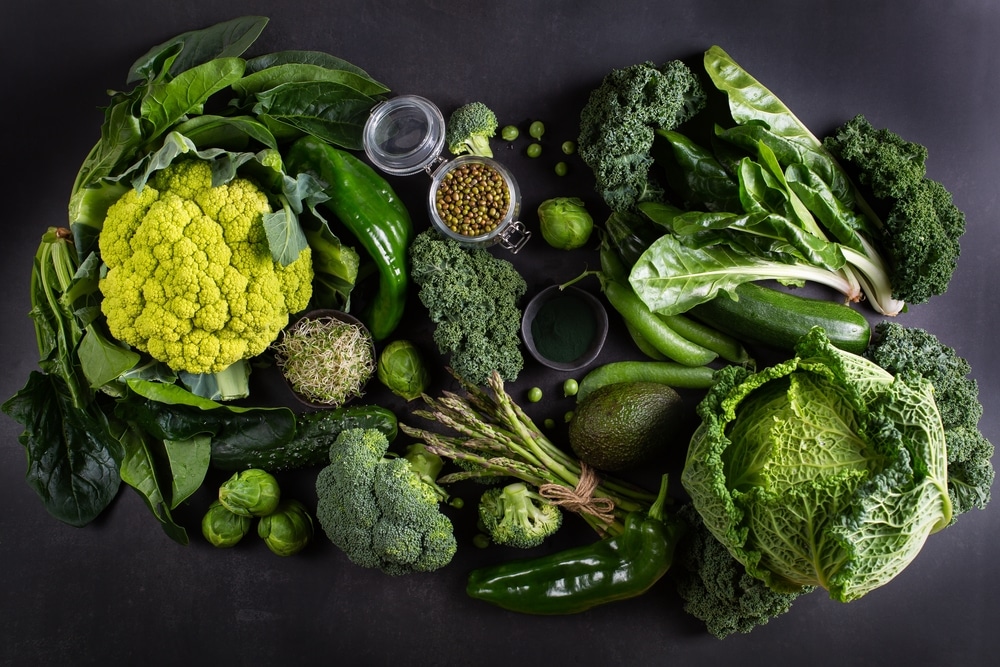
Incorporating dark, leafy greens into your meals can significantly reduce cholesterol levels and lower the risk of heart disease. These greens contain compounds that can bind to cholesterol, aiding your body in excretion. Consider adding the following to your diet:
- Collard greens
- Kale
- Spinach
- Swiss chard
2. Vegetables
Vegetables are packed with essential vitamins, minerals, and fiber, contributing to a heart-healthy diet.
Research indicates that consuming more than three servings of vegetables and fruits daily can lower both cholesterol and blood pressure levels.
3. Berries
Berries like blackberries, blueberries, raspberries, and strawberries are not only delicious but also loaded with heart-healthy fiber. Regular consumption of these fruits introduces antioxidants into your body, which help reduce inflammation and lower LDL cholesterol, triglycerides, and blood pressure levels.
4. Apples
Eating an apple each day can significantly aid in cholesterol management. Rich in soluble fiber, apples help your body excrete cholesterol effectively. Reviews show that apple consumption lowers overall cholesterol levels, LDL cholesterol, and can even enhance your inflammatory response.
5. Whole Grains
Whole grains such as brown rice and oatmeal play a vital role in a heart-healthy diet. Research shows that regular oat consumption effectively lowers LDL cholesterol due to its high soluble fiber content.
Three servings of whole grains daily can lower the risk of heart disease by 19% and stroke by 12%.
Examples of beneficial whole grains include:
- Barley
- Brown rice
- Bulgur
- Farro
- Oats
- Popcorn
- Quinoa
- Red rice
- Wild rice
Look for whole grain products like whole wheat bread, pasta made from whole grains, and breakfast cereals containing these wholesome ingredients.
6. Legumes
Legumes encompass plant foods like beans, lentils, and peas. They are rich in fiber that binds to cholesterol, assisting in its excretion from the body.
Studies show that regular bean consumption can significantly lower LDL cholesterol levels and diminish the risk of chronic conditions like diabetes and obesity.
7. Nuts
Incorporating nuts such as almonds, cashews, walnuts, and pistachios can be beneficial due to their fiber and omega-3 fatty acid content.
Eating nuts has been linked to lower LDL cholesterol and total cholesterol, as well as reduced blood triglycerides, inflammation, and heart disease risk.
8. Oily Fish
Oily fish, rich in omega-3 fatty acids, includes options like salmon, trout, and sardines. Regular consumption can elevate HDL cholesterol and decrease LDL cholesterol levels, lowering overall heart disease risk.
9. Avocados
Avocados can effectively lower LDL cholesterol due to their rich fiber content while simultaneously boosting HDL cholesterol thanks to their monounsaturated fat richness. Enhance your dishes by adding diced avocado to salads, rice bowls, tacos, or smoothies.
10. Olive Oil
Olive oil, a highly regarded plant-based oil, is excellent for reducing LDL cholesterol while boosting HDL cholesterol. It plays a significant role in the Mediterranean diet, known for its heart-healthy advantages.
Rich in monounsaturated fats and antioxidants called polyphenols, olive oil may help reduce inflammation and lower heart disease risk.
11. Chia Seeds
Chia seeds are high in fiber and polyunsaturated fatty acids. Research indicates that they can lower total and LDL cholesterol levels while potentially increasing HDL cholesterol levels. Consider adding chia seeds to your morning smoothies, oatmeal, or yogurt parfaits.
12. Dark Chocolate
Consuming dark chocolate may lower LDL cholesterol levels. Studies suggest that dark chocolate and cocoa can also boost HDL cholesterol. Additionally, cocoa contains antioxidants that help reduce inflammation.
13. Garlic
Garlic, derived from a flowering plant, contains compounds that can enhance cholesterol levels. Meta-analyses have indicated that substantial garlic consumption may lower LDL cholesterol levels.
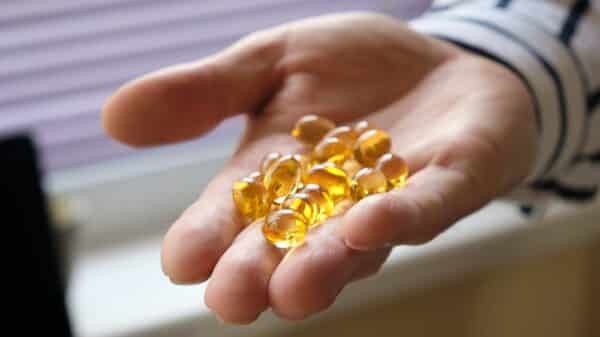
For cholesterol benefits, consider garlic extract supplements, and consult your healthcare provider on this option.
14. Flaxseed
Flaxseeds are a great source of soluble fiber. Their regular consumption can lower total and LDL cholesterol as well as blood lipid levels. Additionally, flaxseed intake can decrease the risk of heart disease.
A Word From Verywell
A diet rich in fiber is not only beneficial for digestion but also supports heart health. Consider replacing refined grains with whole grains like brown rice or quinoa. Incorporate beans or lentils into your meals, and snack on fiber-rich fruits such as apples, oranges, or berries.
Foods to Limit If You Have High Cholesterol
Your food choices play a significant role in managing cholesterol levels. Focus on nutrient-dense options and limit calorie-dense foods.
If you’re managing high cholesterol, consider reducing the intake of these foods:
- Added sugar: Limit sweets such as cakes, cookies, and ice cream.
- Fried foods: Fast-food items like French fries and chicken nuggets are often high in cholesterol.
- Processed foods: Cut back on processed items, including store-bought cookies and chips.
- Red meat: Beef and pork are typically high in saturated fat, which can elevate cholesterol levels.
Lifestyle Tips for Lowering Cholesterol
Adopting certain habits can aid in lowering your cholesterol naturally. Here’s what you can do:
- Increase physical activity.
- Maintain a healthy weight.
- Limit alcohol intake.
- Quit smoking.
Familiarize yourself with your family medical history and discuss any potential concerns with a healthcare provider. Taking proactive steps can lead to better heart health and a balanced lifestyle.